A Cultural Strategy for Peace in a Region Shaped by Conflict
Tuesday, April 28, 2026
by Jacques Bahati
Posted in AFJN Articles, Coalitions, Crises, Featured, Just Governance, News, Promote Peace in Central Africa
Tagged in Democratic Republic of the Congo
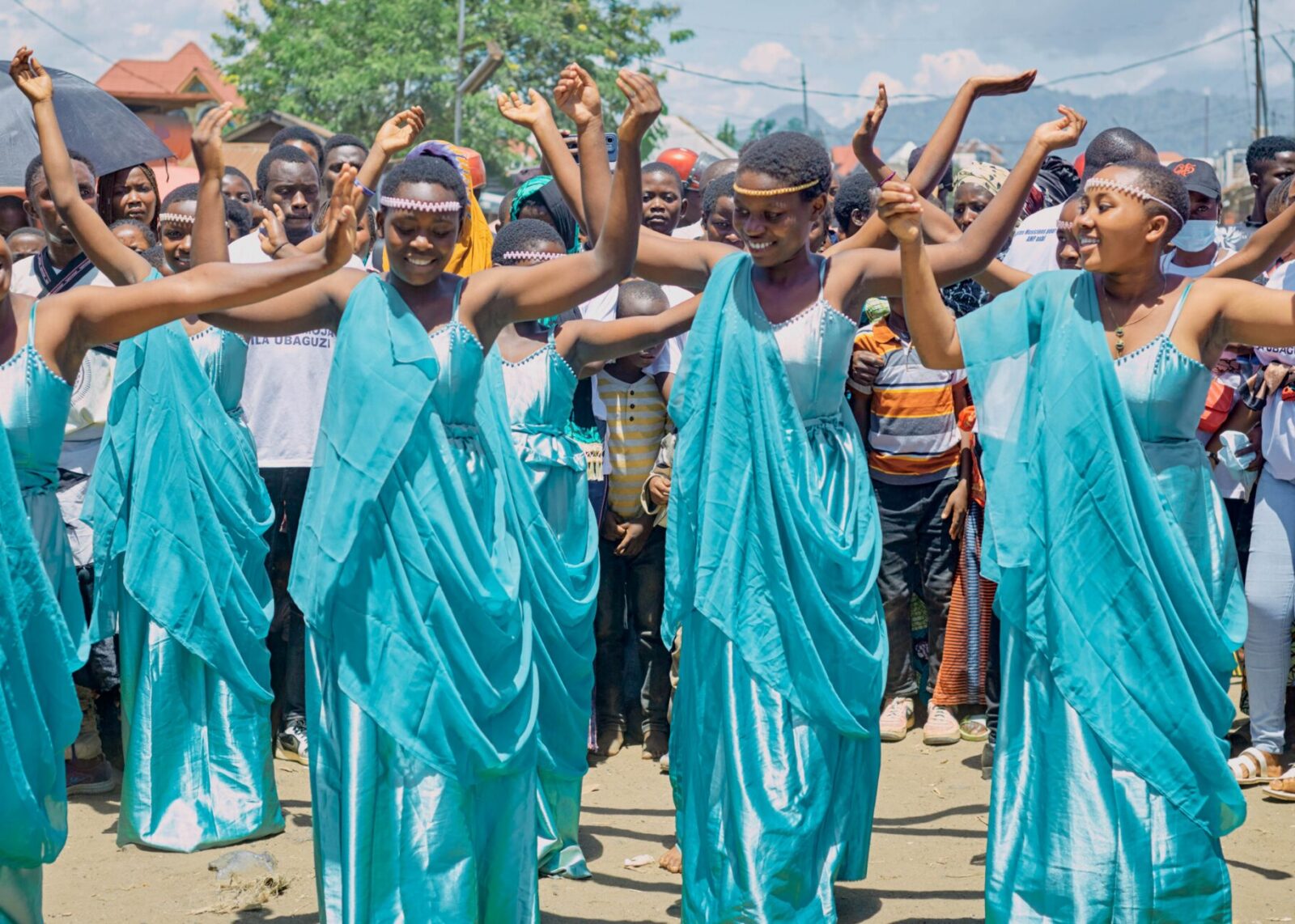
In Eastern Democratic Republic of the Congo (DRC), where conflict has persisted for more than three decades, peacebuilding demands more than political agreements—it requires a transformation of narratives, identities, and relationships.¹ Through its “Unity Through Diversity” initiative, Africa Faith and Justice Network (AFJN), in partnership with Music Artists for Peace, is advancing a bold yet deeply grounded approach: using music as an instrument of social repair.²
Launched in August 2024, the program recognizes that while negotiations often identify ethnicity as a driver of violence, few interventions directly confront how these divisions are reinforced at the community level.³ Music, by contrast, operates precisely in that space—shaping perception, emotion, and collective identity.⁴
Confronting Ethnic Division at Its Core
Across multiple peace negotiations—from Luanda to Doha—ethnic tension has repeatedly surfaced as a root cause of violence.⁵ Beyond armed conflict, it manifests in everyday exclusion: limited access to jobs, entrenched nepotism, and systemic marginalization. AFJN’s initiative responds by targeting the cultural production of these divisions. Musicians—especially youth—are invited to critically examine the content they create and disseminate.⁶ They are challenged to move away from rhetoric that fuels division and toward messages that foster coexistence, dignity, and shared belonging. This is not symbolic work. It is strategic peacebuilding, aimed at disrupting the very narratives that sustain conflict.⁷
Kiwanja: Where the Message Meets Reality
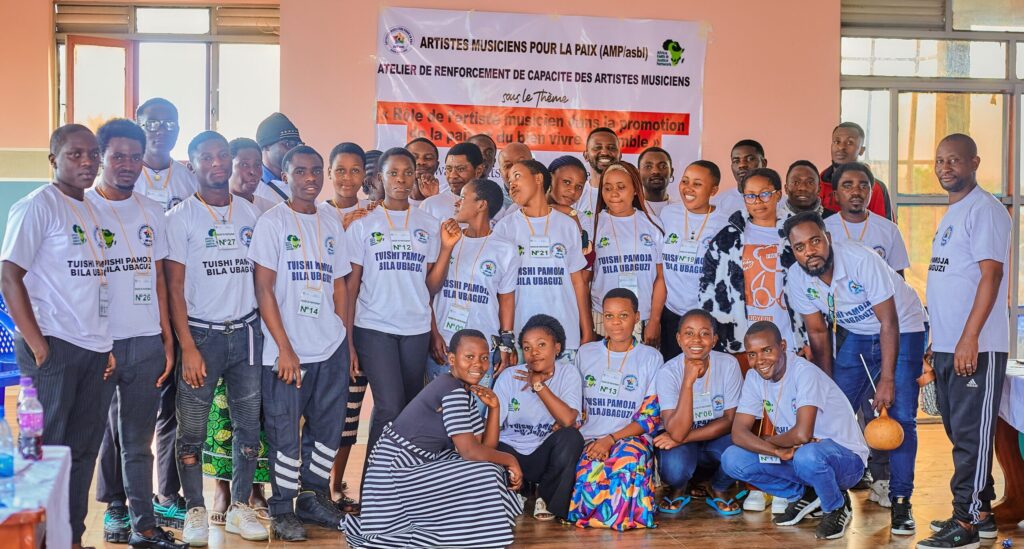
On 27 March, a seminar convened musicians in Kiwanja, within the Rutshuru territory—an area that has experienced repeated episodes of ethnic-based violence.⁸ The location itself underscored the urgency of the intervention. Participants engaged in dialogue about their societal influence and the ethical responsibility that accompanies it.⁹ The message was direct: music can either deepen fractures or help heal them. The choice rests with the artist.
Taking Peace to the Streets: Public Music Caravan from Rubare, Kutshuru to Kiwanja
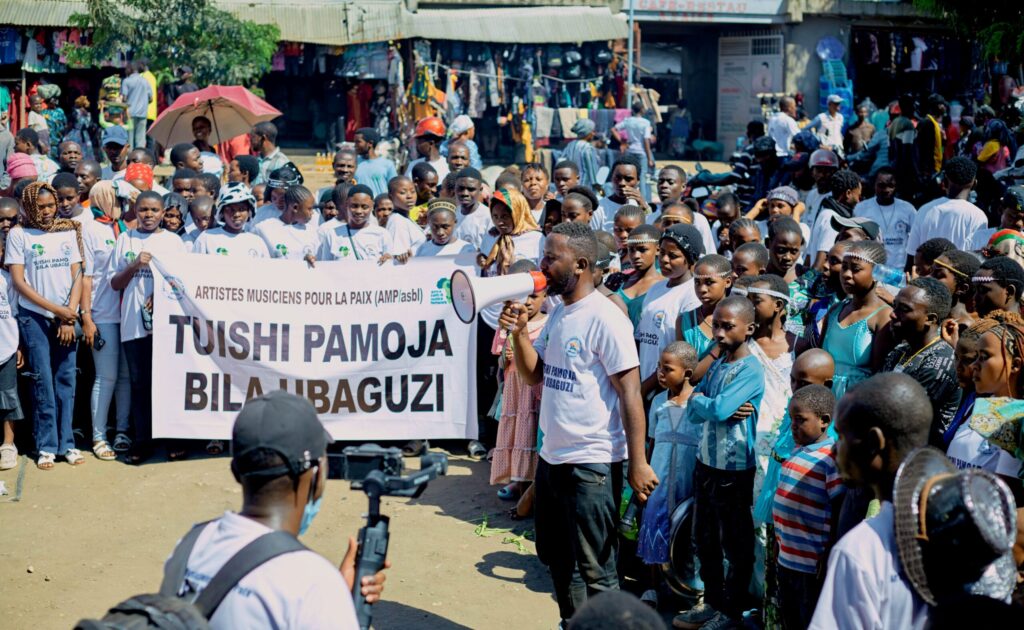
On 28 March, the initiative transitioned from dialogue to action through a public music caravan.¹⁰ Musicians moved through the streets to the cities of Rubare, Kutshuru, and Kiwanja, performing and engaging directly with communities—turning public space into a platform for peace messaging.¹¹ The impact was both immediate and profound. Large crowds gathered, many encountering such an initiative for the first time. In towns currently under the control of groups opposed to the Kinshasa government, the scale of participation was particularly notable. Observers described the event as unprecedented—both in its reach and in its reception.¹²
From an analytical standpoint, the implication is clear: communities are not indifferent—they are waiting for credible, accessible pathways to peace.¹³
Youth as the Architecture of the Future
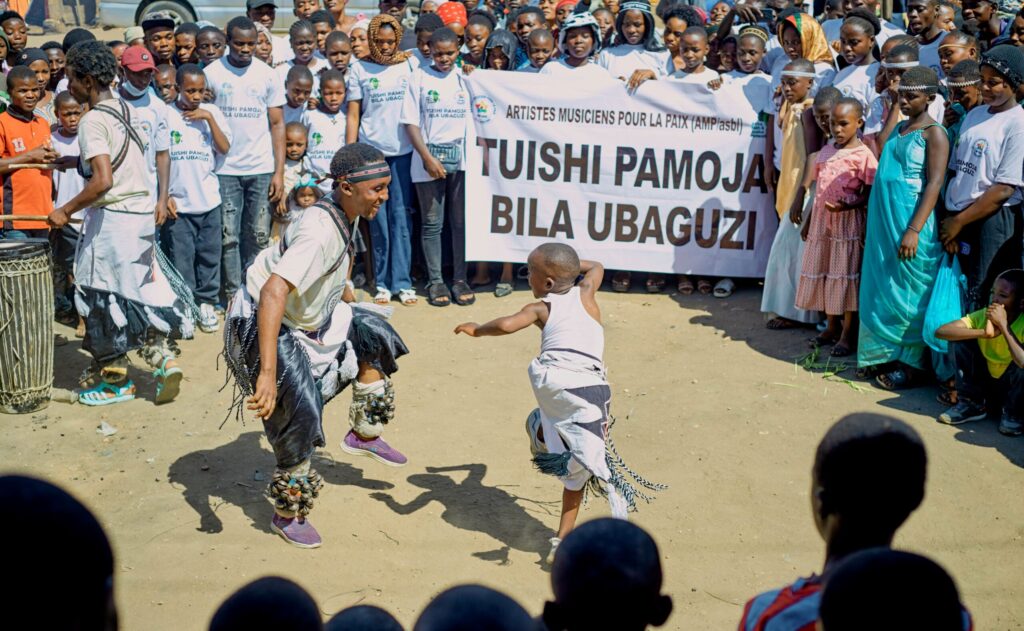
The program’s emphasis on youth is deliberate. In many contexts, narratives of division are transmitted across generations, often unchallenged.¹⁴ By contrast, this initiative positions young people as primary agents of transformation. When youth internalize and propagate messages of unity, they do more than participate—they redefine the trajectory of their communities.¹⁵
Building Momentum Through Consistency
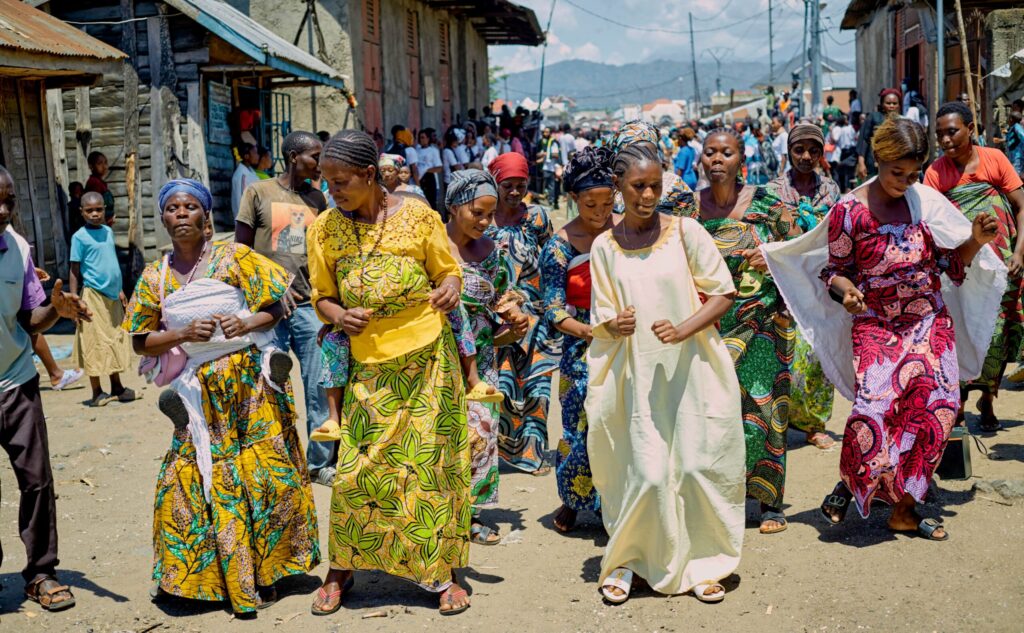
What distinguishes this effort is its commitment to continuity. Peacebuilding, particularly at the cultural level, is cumulative. Each seminar, each performance, each engagement contributes to a gradual but decisive shift in mindset.¹⁶ AFJN’s approach is grounded in a clear understanding: sustained exposure to alternative narratives leads to lasting change.¹⁷
In a region long marked by division, music is emerging not merely as art, but as a disciplined, community-owned mechanism for rebuilding trust and restoring social cohesion. The choice for peace is being sung—and increasingly, it is being heard. The message is gaining ground—voice by voice, town by town, and street by street.
Footnotes
- Human Rights Watch, World Report 2026: Democratic Republic of Congo, https://www.hrw.org/world-report/2026/country-chapters/democratic-republic-of-congo
- Africa Faith and Justice Network, “AFJN Launches ‘Unity Through Diversity’ Peace Project in Eastern Congo,” https://afjn.org/afjn-launches-unity-through-diversity-peace-project-in-eastern-congo/
- Human Rights Watch, World Report 2026: Democratic Republic of Congo, https://www.hrw.org/world-report/2026/country-chapters/democratic-republic-of-congo
- Lesley J. Pruitt, Youth Peacebuilding, Music, Gender and Change, https://www.perlego.com/book/2673443/youth-peacebuilding-music-gender-and-change-pdf
- Council on Foreign Relations, “Conflict in the Democratic Republic of Congo,” https://www.cfr.org/global-conflict-tracker/conflict/violence-democratic-republic-congo
- Africa Faith and Justice Network, “The Role of Music in Promoting Ethnic Diversity and Unity,” https://afjn.org/building-lasting-peace-in-the-democratic-republic-of-congo-the-role-of-music-in-promoting-ethnic-diversity-and-unity/
- John Paul Lederach, The Moral Imagination: The Art and Soul of Building Peace (Oxford University Press, 2005). https://gruposhumanidades14.wordpress.com/wp-content/uploads/2014/10/john-paul-lederach-the-moral-imagination_the-art-and-soul-of-building-peace.pdf
- Africa Faith and Justice Network, “AFJN Launches ‘Unity Through Diversity’ Peace Project in Eastern Congo,” https://afjn.org/afjn-launches-unity-through-diversity-peace-project-in-eastern-congo/
- Africa Faith and Justice Network, “The Role of Music in Promoting Ethnic Diversity and Unity,” https://afjn.org/building-lasting-peace-in-the-democratic-republic-of-congo-the-role-of-music-in-promoting-ethnic-diversity-and-unity/
- Africa Faith and Justice Network, “AFJN Launches ‘Unity Through Diversity’ Peace Project in Eastern Congo,” https://afjn.org/afjn-launches-unity-through-diversity-peace-project-in-eastern-congo/
- Africa Faith and Justice Network, “The Role of Music in Promoting Ethnic Diversity and Unity,” https://afjn.org/building-lasting-peace-in-the-democratic-republic-of-congo-the-role-of-music-in-promoting-ethnic-diversity-and-unity/
- Human Rights Watch, World Report 2026: Democratic Republic of Congo, https://www.hrw.org/world-report/2026/country-chapters/democratic-republic-of-congo
- Council on Foreign Relations, “Conflict in the Democratic Republic of Congo,” https://www.cfr.org/global-conflict-tracker/conflict/violence-democratic-republic-congo
- United Nations Development Programme, Youth, Music and Peacebuilding Toolkit (New York: UNDP, 2023).
- Lesley J. Pruitt, Youth Peacebuilding, Music, Gender and Change, https://www.perlego.com/book/2673443/youth-peacebuilding-music-gender-and-change-pdf
- John Paul Lederach, The Moral Imagination: The Art and Soul of Building Peace (Oxford University Press, 2005).
- Elisabeth Porter, “Art in Peacebuilding: Theory and Practice,” Peace and Conflict Studies 27, no. 1 (2023): 45–63.