In November 2025, the Africa Faith and Justice Network (AFJN) Ghana team made an advocacy visit to the Kuli community to support local efforts to end early and child marriage and domestic servitude.
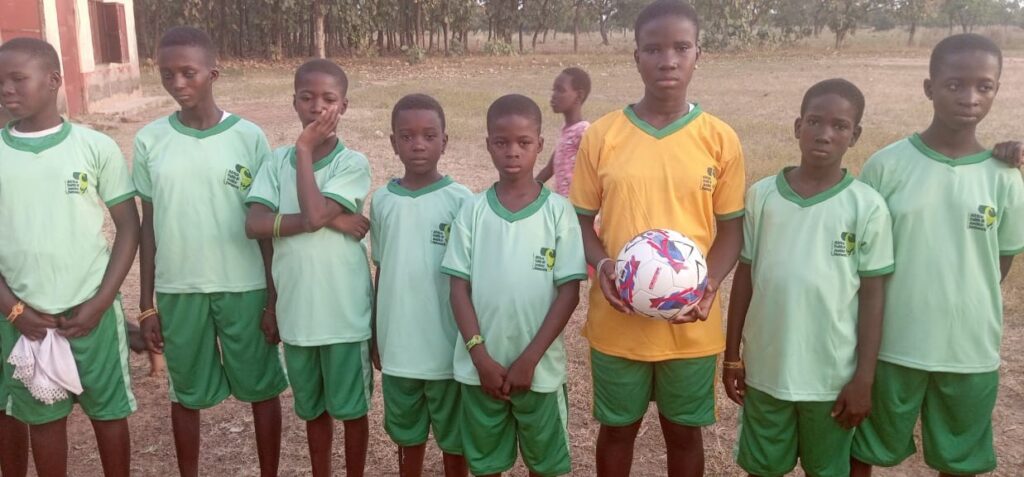
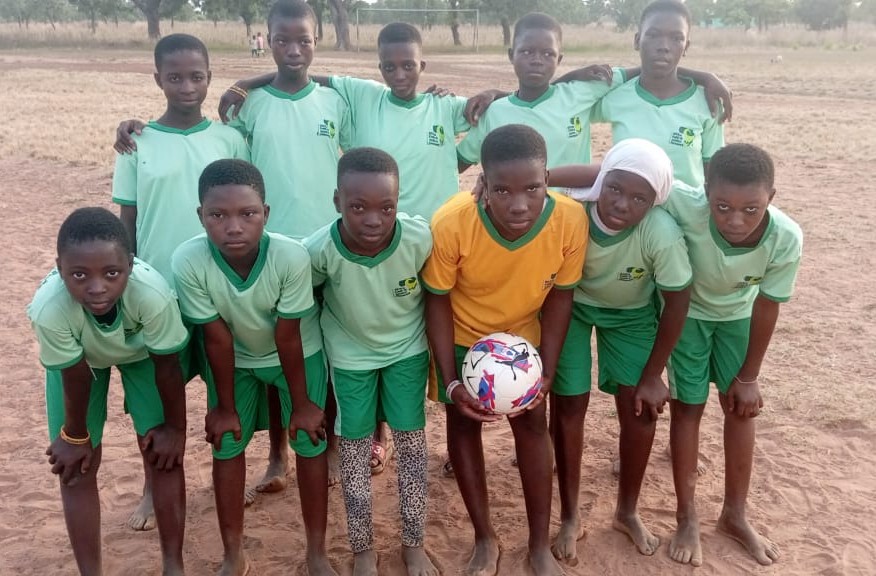
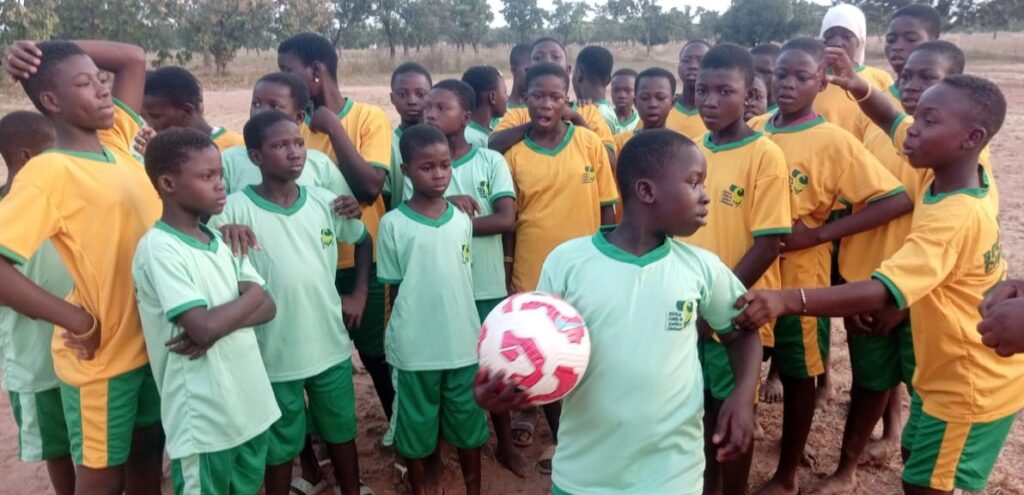
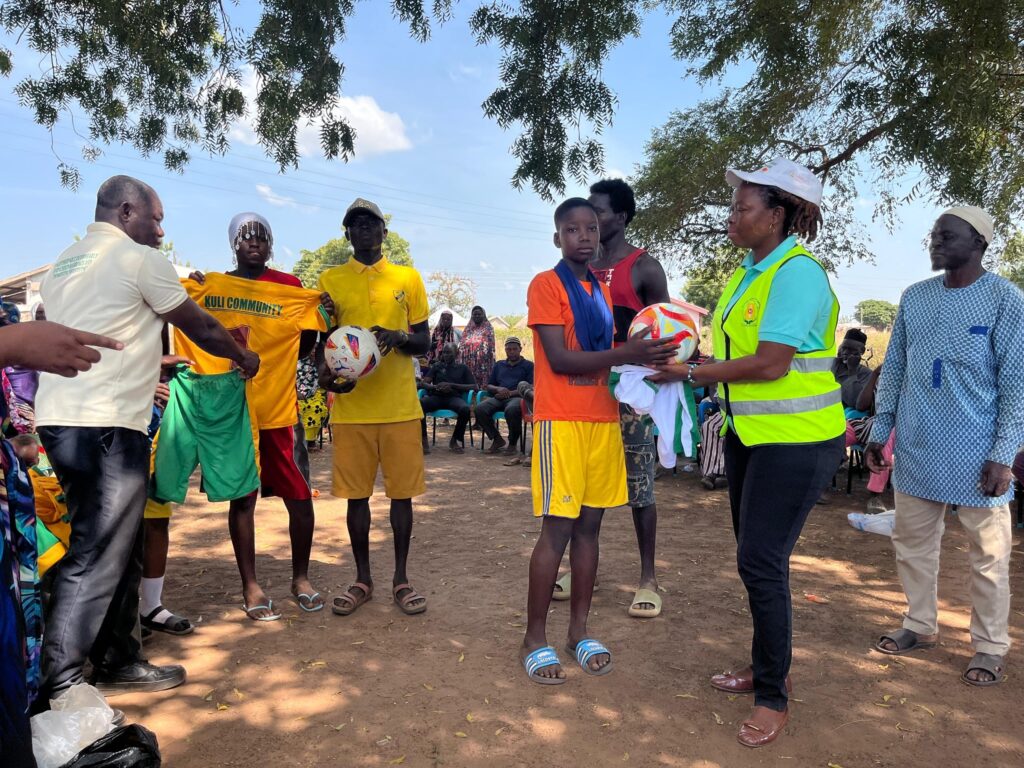
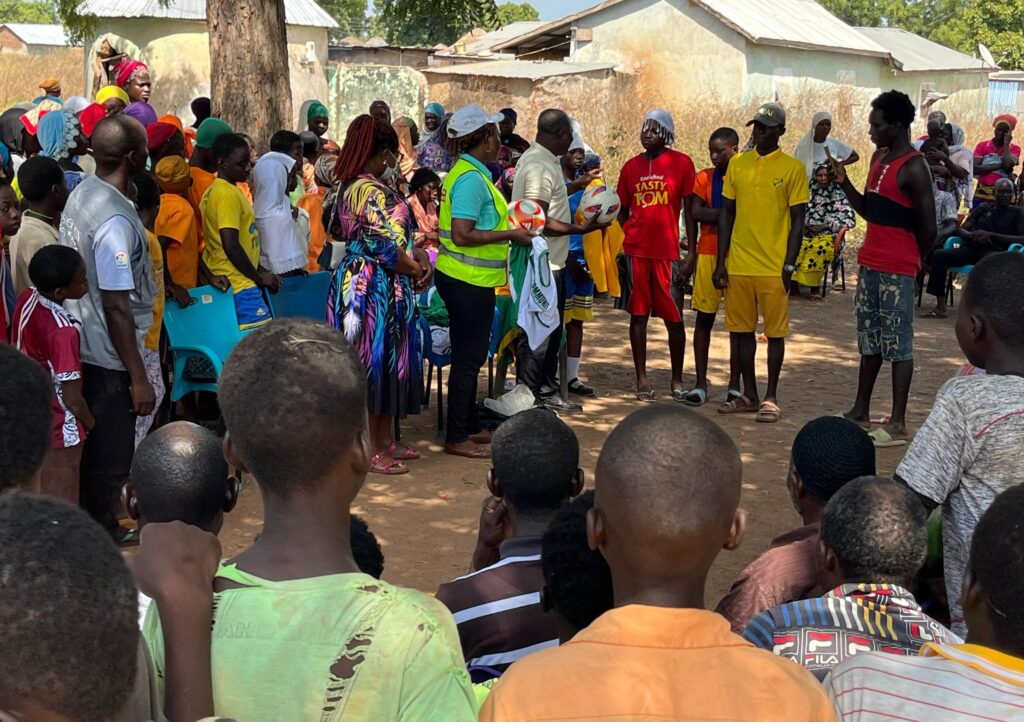
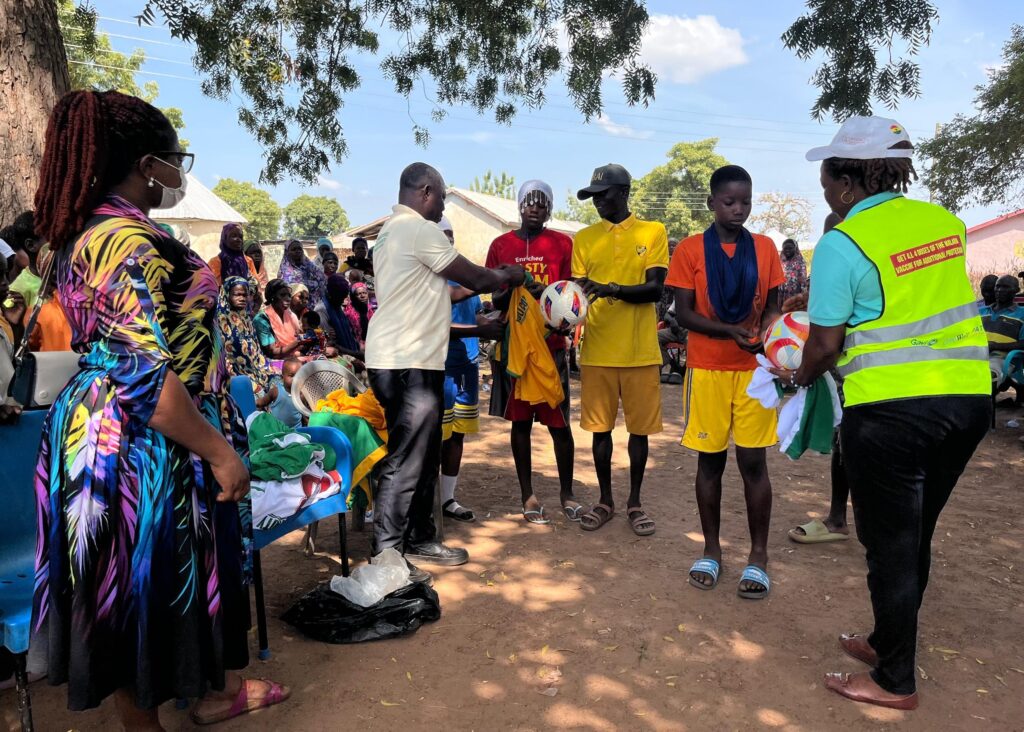
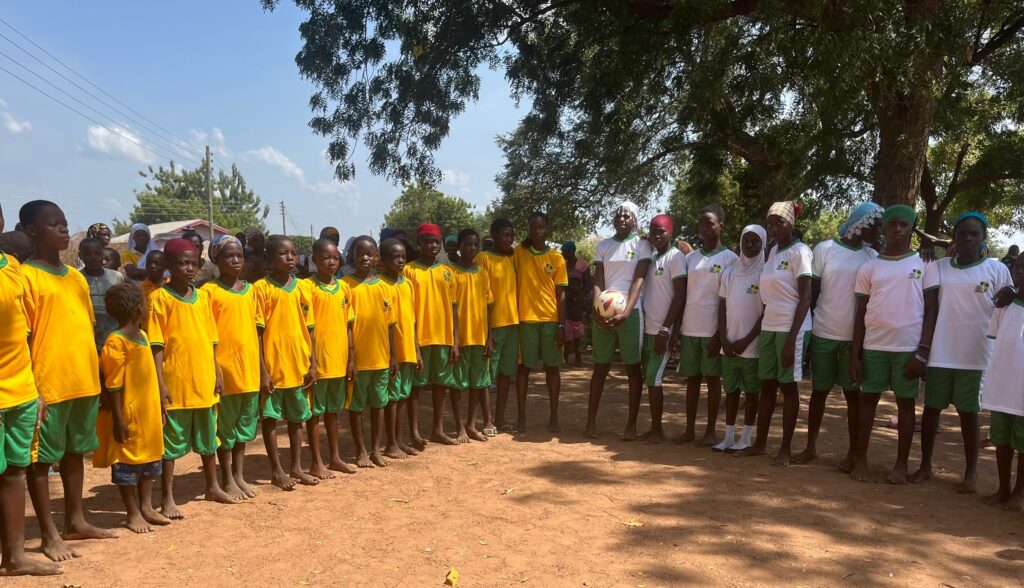
As part of the visit, the team presented two sets of jerseys and two footballs to the two girls’ soccer clubs established by AFJN in the community. These clubs were created to reduce girls’ social isolation, provide safe leisure time away from exploitative domestic work, and build confidence, leadership, and essential life skills among the girls.
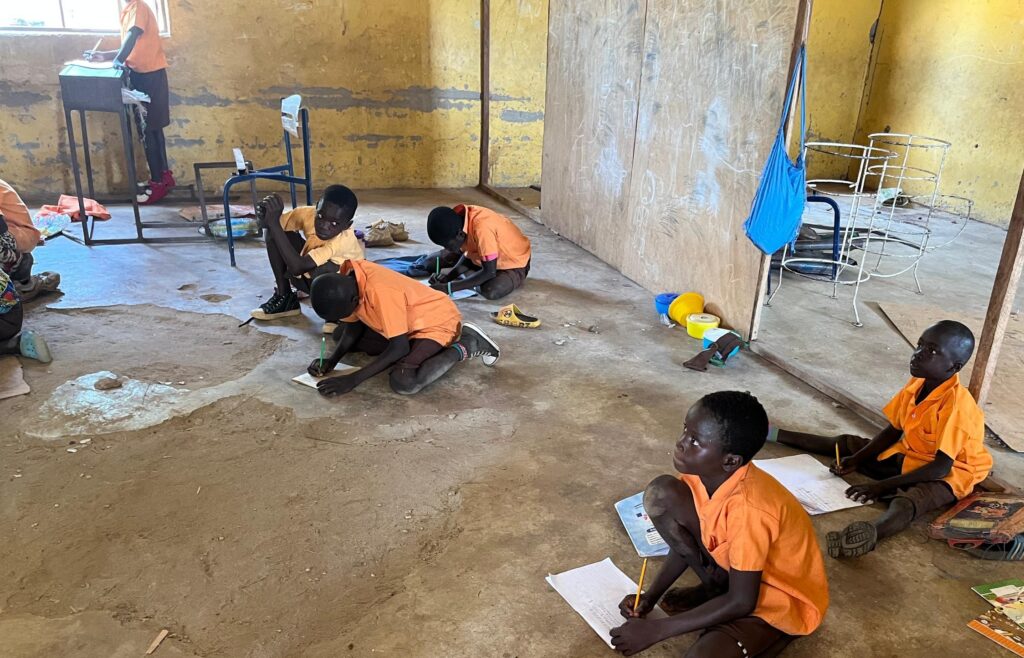
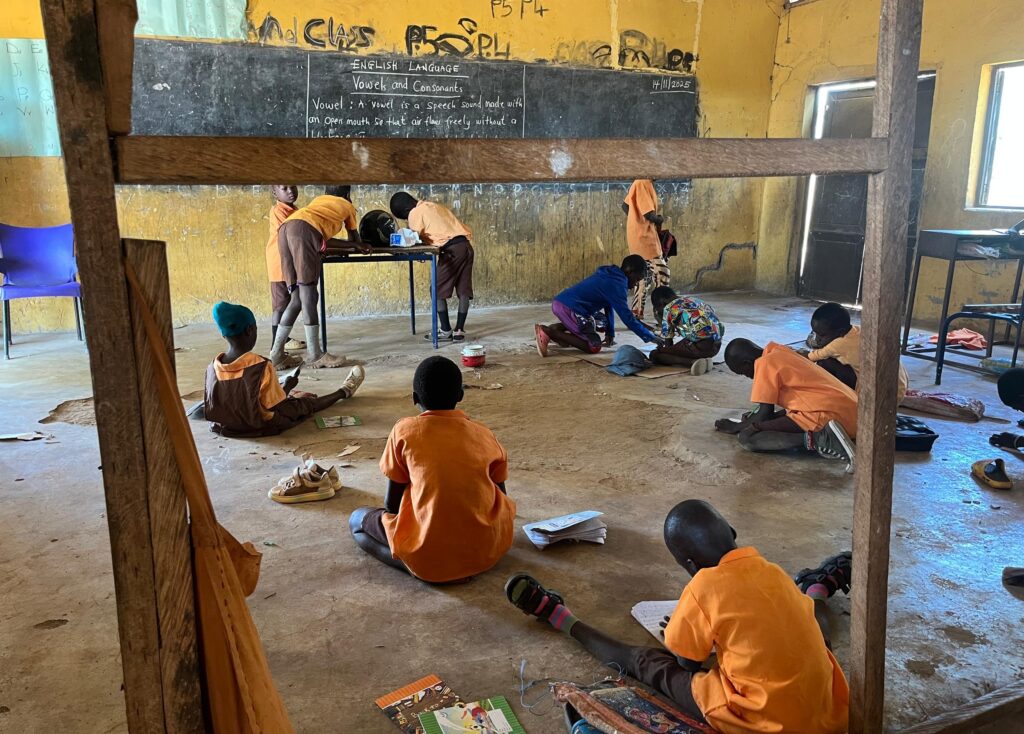
The team also visited the community alongside TV3 to document the challenges facing education in Kuli, with the aim of drawing public attention to the urgent need for educational support and investment in the community.
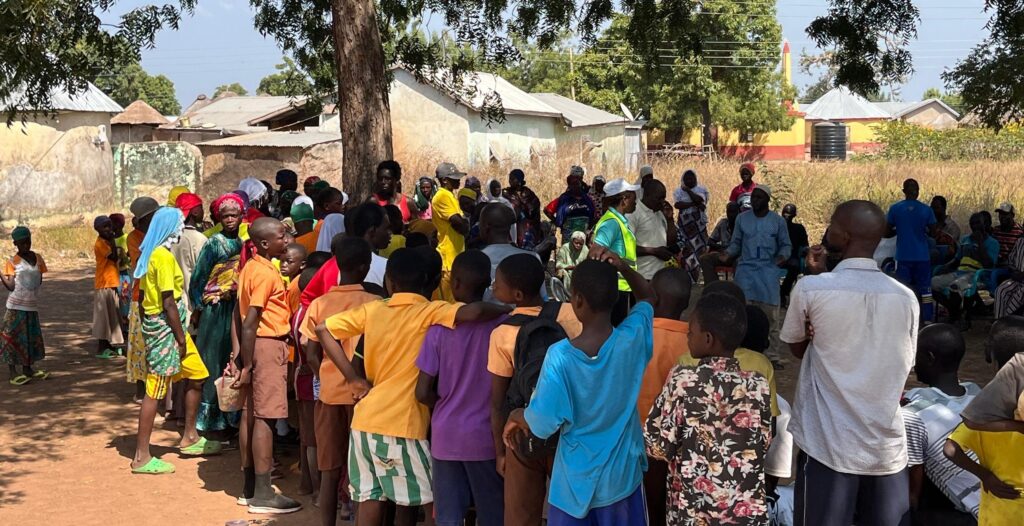
The AFJN team was deeply encouraged by the significant shift in community attitudes resulting from AFJN’s advocacy engagement over the past three years. This change was evident in the community’s growing commitment to ending early and child marriage and the kayayei phenomenon, as well as their willingness to support girls’ education and participation in the girls’ soccer clubs.
The team was particularly impressed to find that, even before their arrival, community members had gathered in large numbers. The women of the community had independently prepared meals for schoolchildren—an initiative they organized themselves to ensure children remain in school and are able to learn effectively.
Before AFJN began its engagement in Kuli, the only school in the community had been closed due to low enrollment, and teachers had left despite the presence of many school-age children. Through AFJN’s consistent visits and sustained advocacy on the importance of education— especially for the girl child, particularly the youth, became energized around education. The youth mobilized to clean and restore the long-abandoned school building, went door to door to enroll children of school age, and those with some educational background volunteered to teach. Meanwhile, the women organized themselves to prepare school meals using food contributions from every household to support regular school attendance.
Today, the school—once completely closed—has grown to more than 350 pupils, and the community has pledged continued support to keep children, especially girls, in school.
During the visit, the girls’ soccer club was divided into two teams and played a friendly match, to the delight and admiration of parents and community members—likely the first event of its kind in Kuli.
In appreciation, the community presented the AFJN team with symbolic gifts: a white cock, tubers of yam, and guinea fowl eggs. Although the team initially hesitated, they were informed that the gesture symbolized the community’s full commitment to AFJN’s work and, culturally, should not be declined. The AFJN team therefore accepted the gifts with gratitude, returning home thankful to God for the progress achieved and the strong partnership built with the Kuli community.