
Beyond the Price of Chocolate: Three Ghanaian Farmers on Fairness and the Future of Cocoa
Tuesday, September 8, 2026
by Jacques Bahati
Posted in AFJN Chapters, AFJN-Ghana, Featured, Focus Campaigns, Just Governance
Tagged in Region (Western Africa)
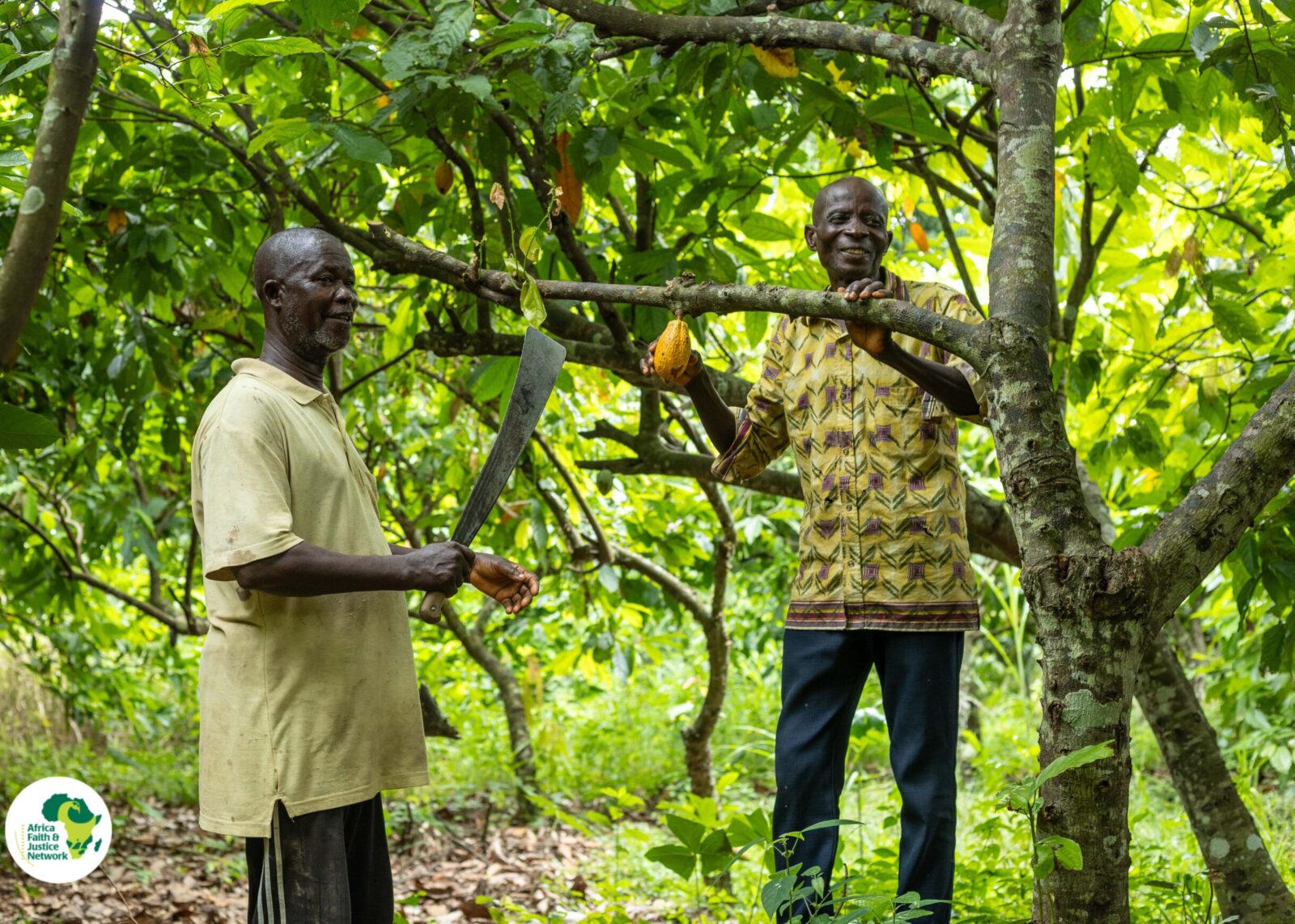
Jane Adzorlolo is a young, vibrant woman from Tafi Agorme in Ghana’s Volta Region. She manages her family’s cocoa farm after her father became too ill to continue farming. Although she has not harvested cocoa for two years and her brother has urged her to abandon the farm, Jane continues to hold on.
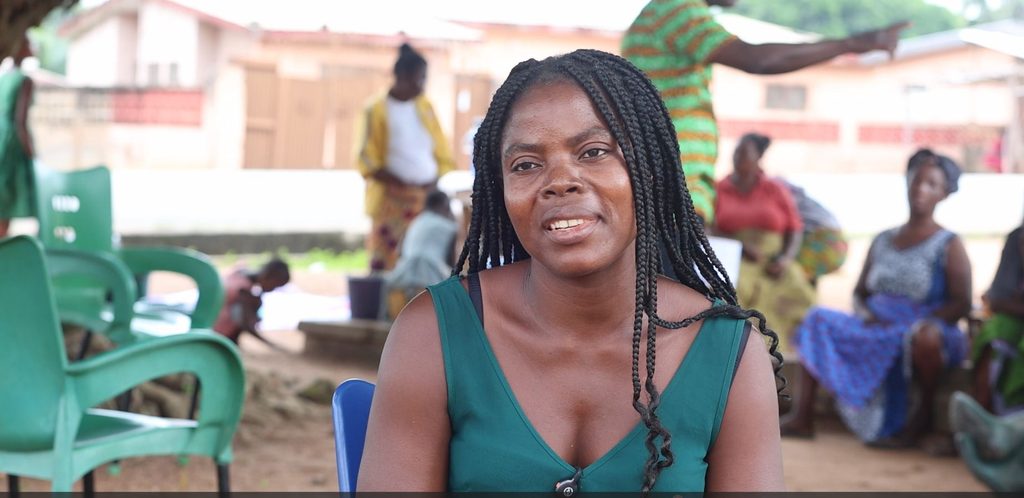
“My brother said we should leave the farm because we are not getting anything from it,” she said. “We are still trying.”
A few kilometers away in Tafi Mador, Godwin Yawson is also trying to rebuild. His father’s cocoa farm was destroyed by fire in 1983. When Godwin recently returned to cocoa farming, he prepared a large plot but could not obtain enough seedlings to plant it.
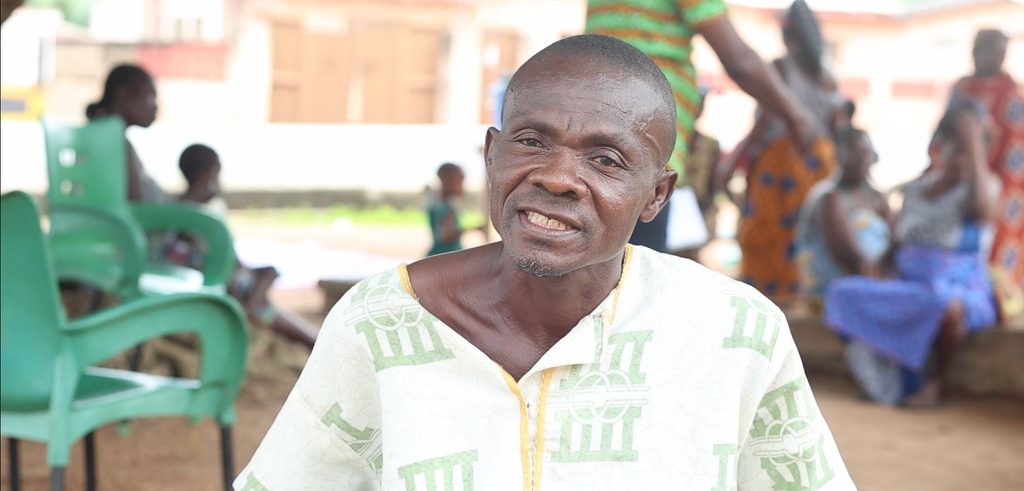
“I cultivated very big plot, but when I went to COCOBOD, they gave me only few seedlings,” he said.
In neighboring Logba Akpeti, falling prices have forced farmer Dzanyiko Bright to reconsider plans to expand his farm.
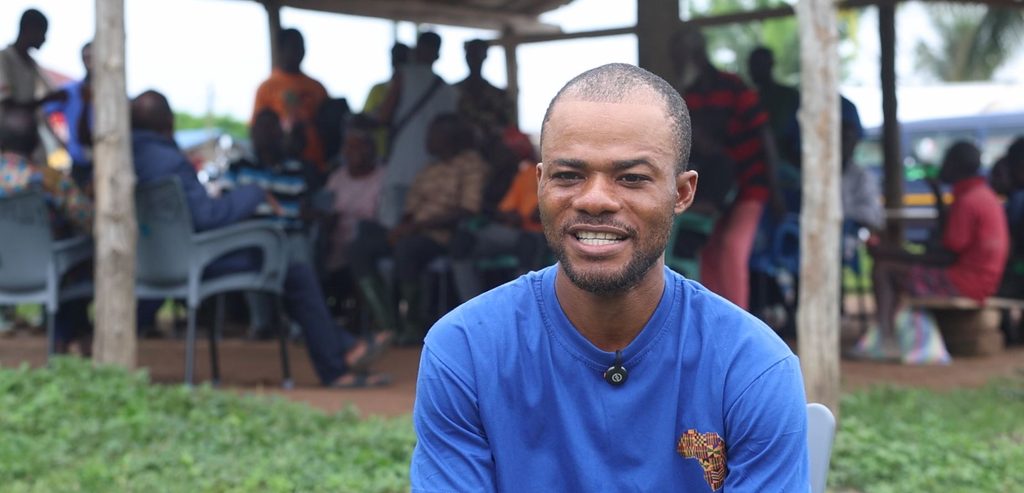
“Due to the changing of prices…It has reduced drastically,” he said. “It’s not encouraging.”
Together, their stories reveal the human cost at the bottom of the chocolate industry’s supply chain. Although their labor makes the industry possible, cocoa farmers often bear the greatest burden of low prices, inadequate support and declining productivity.
Farmers Carry the Risk but Receive a Small Share
Chocolate prices reached an all-time high and rose by 14% in 2026, yet the gains have not reached many of the African farmers who cultivate cocoa.
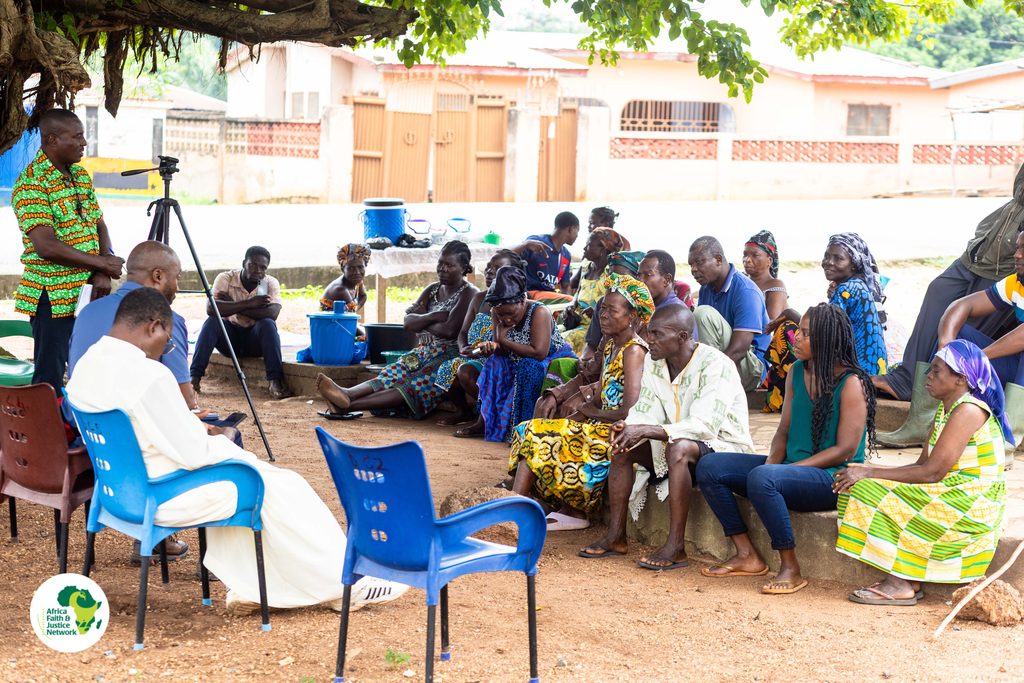
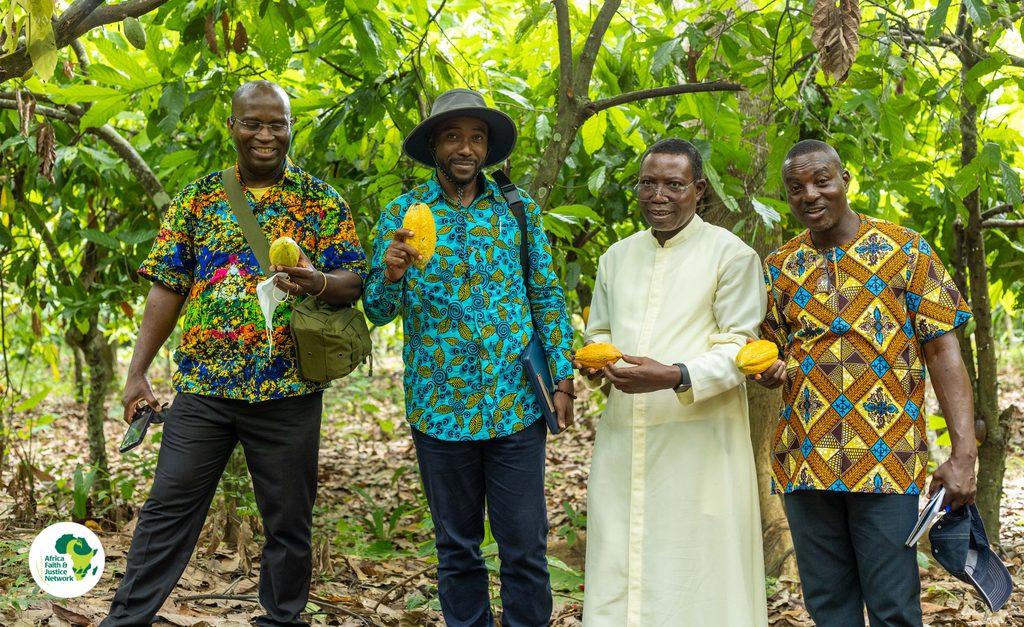
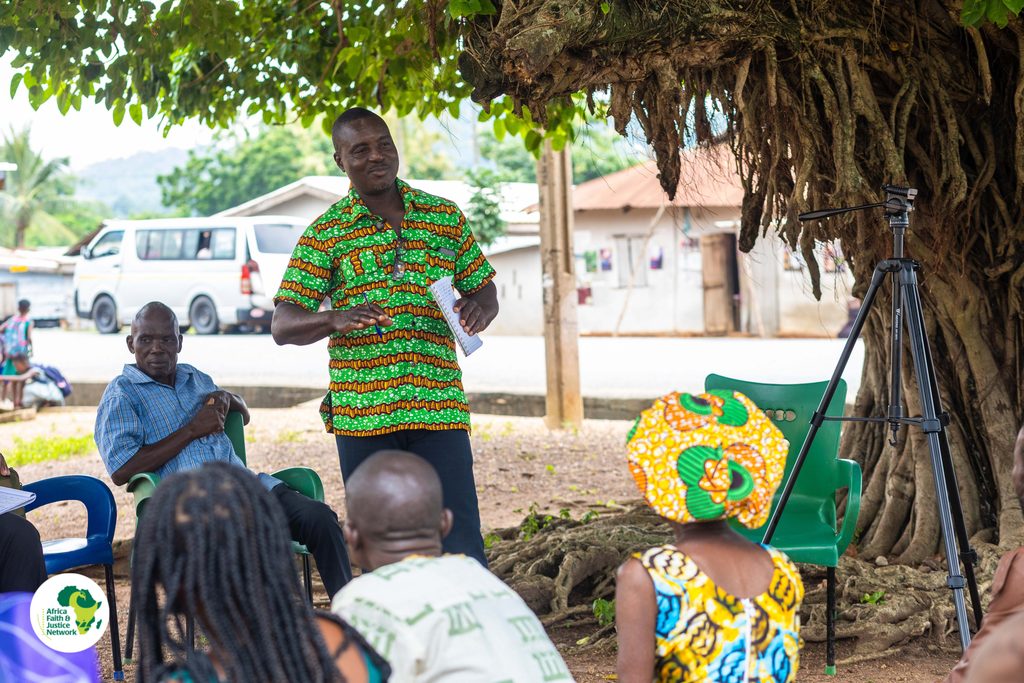
In July 2026, the Africa Faith and Justice Network (AFJN) visited Ghana’s Afadzato South District, listening to dozens of farmers, women, young people and community leaders in Tafi Mador, Tafi Agorme, Tafi Atorme and Tafi Abuife.
Ghana raised the producer price of cocoa to GH₵58,000—approximately US$5,206—per tonne in 2025. In February 2026, it reduced the price by approximately 28.6% to GH₵41,392, or about US$3,715, per tonne.
The Ghana Cocoa Board (COCOBOD) attributed the reduction to falling international prices and financial pressures within the sector, noting that the world market price had declined from about US$7,200 to US$4,100 per tonne. Farmers remain concerned, however, that losses are quickly passed down to them when global prices fall, while they receive only a small share of the benefits when cocoa and chocolate prices rise.
This raises an important question: If Ghana’s pricing system is intended to protect farmers from international volatility, how much of the gains reaches them—and how much of the losses do they ultimately bear?
For Janiko, the answer can be measured in the widening gap between what his cocoa once earned and what he now accepts simply to receive payment on time. He said local buyers previously paid about GH₵220 for a bowl of cocoa. At the time of his interview, however, he was receiving only GH₵30 to GH₵40—a loss of more than 80%. These figures reflect his experience with local bowl-based sales rather than the official national price per tonne, but they show that the decline experienced by some farmers has been far greater than Ghana’s official 28.6% price reduction.
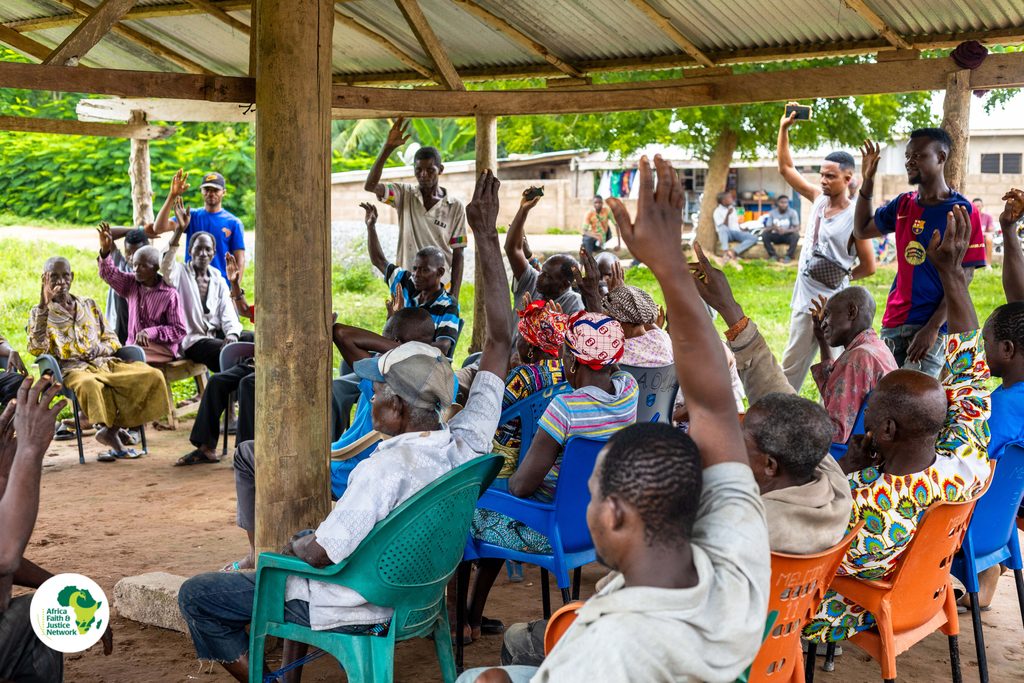
The need for immediate cash leaves Janiko with little bargaining power. Rather than deliver his cocoa through the official purchasing system and wait months for payment, he may accept a much lower price from a private buyer because “they’re done with cash.”
“That makes me not to invest in a cocoa farm now in one and a half years,” he said. “Forty cedis per bowl doesn’t cover anything.”
Janiko’s experience shows how farmers can bear losses in several ways at once: through falling prices, delayed payments and a reduced ability to invest in the next harvest. A farmer may accept less today because waiting for the official price could mean being unable to meet an immediate household or farming expense.
Farmers like Janiko supply the essential raw material while assuming the risks of fire, disease, changing weather and failed harvests. Much of cocoa’s final value, however, is created through processing, manufacturing, branding and retail. A more expensive chocolate bar does not necessarily produce a better income—or greater economic security—for the farmer who grew the cocoa.
Delivering Cocoa—and Waiting for Payment
But as AFJN discovered, global price fluctuation is only one part of the problem. Farmers described long delays in receiving payment through the official purchasing system, forcing them to sell at desperately low prices.
“If we send the cocoa to the board, it takes 3 months,” Jane said. “Sometimes we forget about the money before they call us.”
Janiko reported a similar experience.
“When you sell it to the cocoa board, they only give you time to come for your money,” he said. “Even when you went for the money, they say, ‘No, we can give you another time.’”
Delayed payment have led to a booming parallel private market and encouraged informal trade and cocoa smuggling. Godwin explained how people with access to private financing can buy cocoa cheaply from farmers who need immediate payment, then sell it through the official system at a higher price and wait for their money. These private buyers have become more attractive because they pay immediately, even when they offer significantly less than farmers might receive through the official system.
“But the few cocoa farmers who has money, capitalize on the money they have, come to the poor person and buy from him, and he sends his cocoa board, sell it at the high price,” he said.
Farmers also said cocoa stored for extended periods can lose weight—and therefore value. They may be disadvantaged whether they wait for official payment or accept a lower price from an immediate buyer.
This raised the question of whether these co-called private buyers have connections within the official purchasing system and benefit from the reported scarcity of payment funds. AFJN found no evidence to establish such relationships or determine that the scarcity was deliberately created. Nevertheless, these concerns demonstrate the need for greater transparency about who is authorized to buy cocoa, why payment funds become unavailable and how payments are prioritized.
Putting Farmers at the Center
The sustainability of the global cocoa industry must be measured not only by export earnings, chocolate prices, or corporate commitments, but by the wellbeing of the farmers at the bottom of the supply chain. Fair prices matter, but farmers also need the support they have been promised to maintain productive farms and withstand disease, fire, and other setbacks.
COCOBOD has stated that farmers should receive at least 70 percent of the gross Free on Board (FOB) price of cocoa, with the remaining share supporting the costs and functions of Ghana’s cocoa system. In return, farmers are supposed to benefit from improved cocoa seedlings, fertilizers, pesticides and fungicides, spraying services, extension assistance, and programs for farm rehabilitation and increased productivity.
However, the experiences shared with AFJN reveal serious gaps between these commitments and what some farmers receive.
“Government will come to measure the farm saying they will bring a medicine for the spray and all that, [but] you don’t get it,” Jane said. “Now, we don’t get anything.”
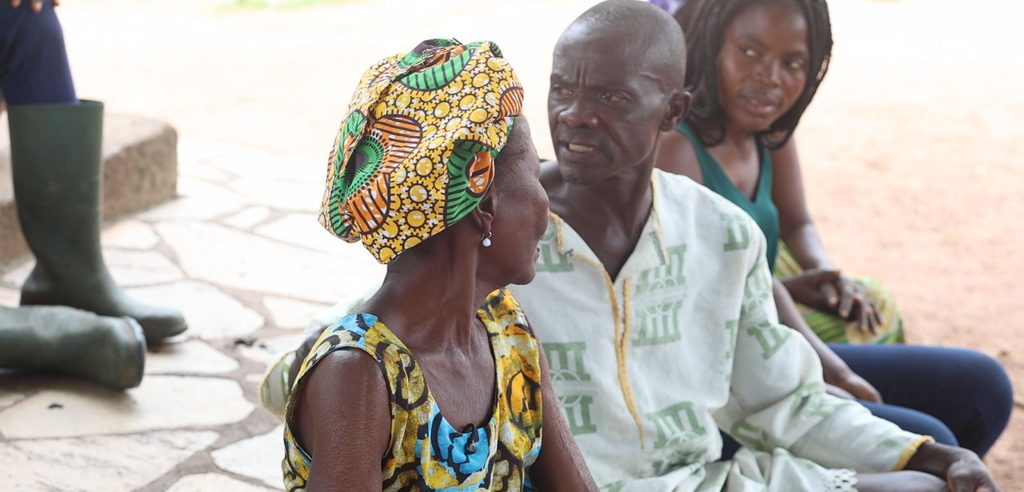
Jane explained that farmers may even have to pay to transport seedlings from distant distribution points. Godwin prepared a large plot to expand his farm but received only a few seedlings, despite repeatedly applying for more. Without reliable access to seedlings, agricultural inputs, spraying services, and technical assistance, farmers are left to absorb the consequences of disease, fire, and poor harvests largely on their own.
Their individual experiences illustrate the human cost of these failures. Jane is trying to continue farming after two years without a harvest. Godwin is attempting to expand his farm without enough seedlings. Dzanyiko wants to invest in cocoa farming but says the price he receives does not cover his costs.
“What I need right now is…a good price,” Janiko said.
Their message is straightforward: responsible investment in cocoa must include fair and transparent pricing, timely payments, reliable access to agricultural inputs and technical assistance, and meaningful investment in farming communities. Governments, cocoa buyers, investors, and chocolate manufacturers must ensure that the value generated throughout the supply chain reaches the people whose labor makes the industry possible.
Unless global cocoa discussions begin with the dignity, wellbeing, and economic security of farmers—and hold institutions accountable for delivering the support promised to them—claims of a fair and sustainable chocolate industry will remain incomplete.
AFJN will publish a comprehensive report presenting the full findings and recommendations from its cocoa-farming fact-finding mission in Ghana.