Programs
US-Africa Relations
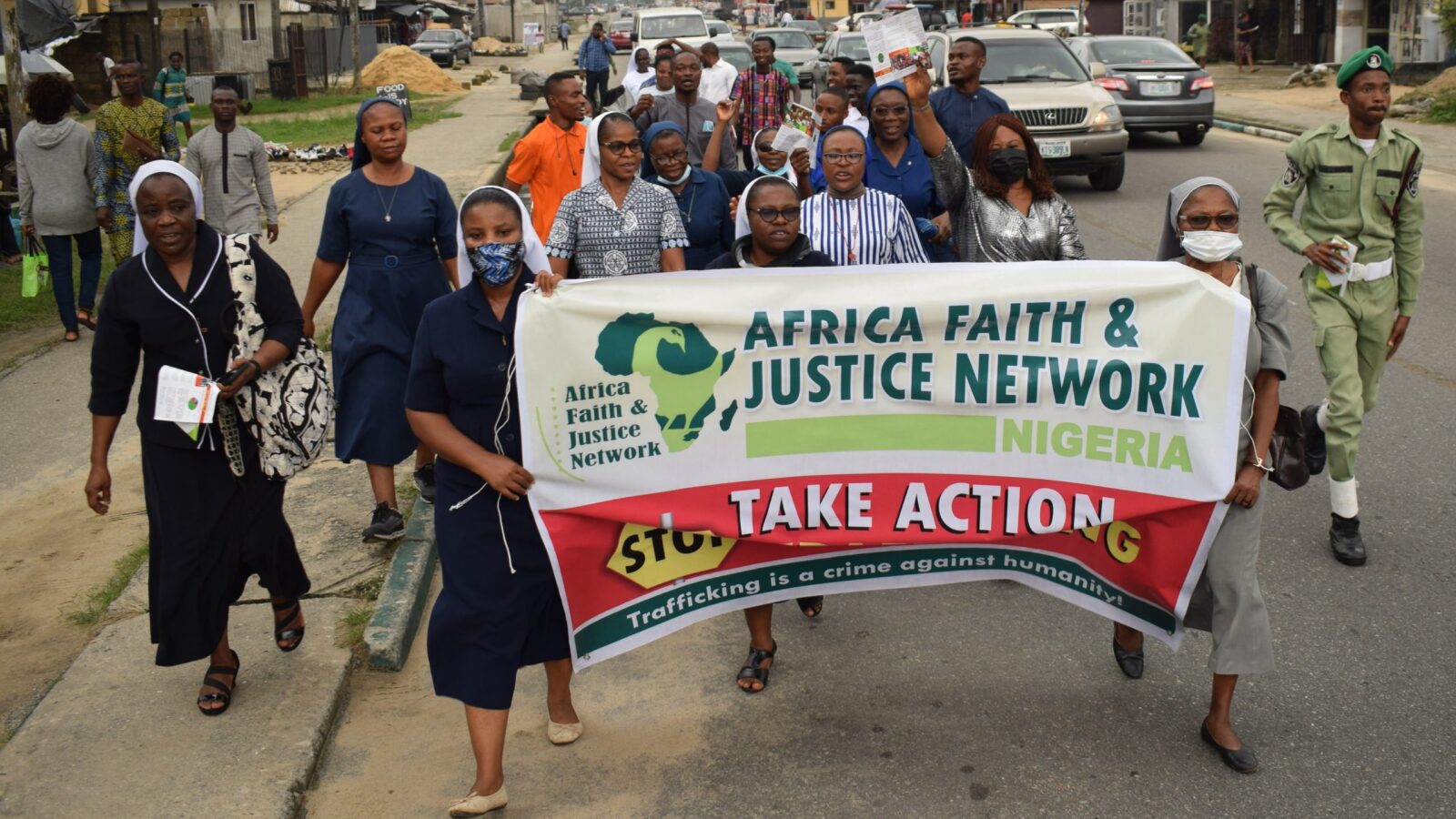
AFJN’s US-Africa Relations advocacy promotes just and equitable partnerships between the United States (US) and Africa by advocating for policies that uphold human dignity, sovereignty, and the common good. Rooted in Catholic Social Teaching and informed by decades of missionary presence, this work brings the lived realities of African communities into US policy spaces.
Since 1983, AFJN has educated and worked with US decision makers on issues including: economic justice, governance, food security, and the impacts of international financial systems on Africa. Over time, this advocacy has evolved into a collaborative, transnational effort that centers African voices and strengthens engagement both in the US and across the continent.
Today, AFJN combines policy advocacy, public education, and strategic partnerships. It engages U.S. institutions while working alongside African faith leaders, civil society, and policymakers to promote accountability and sustainable development. A growing priority is building local advocacy capacity, supporting Africans to lead change within their own communities and countries.
At its core, this advocacy recognizes that US policies have far-reaching consequences for Africa. By connecting policy with lived experience, AFJN works to ensure that US-Africa relations are grounded in justice, mutual responsibility, and respect for the dignity of all.
Just Governance
The Just Governance Project is one of two AFJN’s flagship initiatives to advance accountable leadership, ethical public institutions, and inclusive, community-driven governance across Africa. Rooted in Catholic Social Teaching and guided by a deep commitment to human dignity and human rights, the project addresses systemic challenges—such as corruption, exclusion, weak accountability systems, and barriers to justice—that undermine development and disproportionately affect vulnerable communities. Through partnerships with faith leaders, civil society organizations, and grassroots networks, AFJN works to strengthen advocacy capacity, promote transparency, and ensure that governance structures serve the common good.
Operating in Cameroon, Liberia, Ghana, Sierra Leone, the Democratic Republic of Congo (DRC), and other African countries, the Just Governance Project supports practical, locally led solutions that expand access to justice, protect community land and resource rights, support women’s empowerment, combat corruption in public services, and foster dialogue between citizens, public institutions, and corporate actors—particularly in extractive industries. The initiative equips communities with the tools and knowledge to hold institutions accountable and to actively participate in decision-making processes that shape their lives. As part of this broader governance framework, the project also integrates women’s empowerment efforts that strengthen the leadership and advocacy capacity of African women religious and their community partners.
The Just Governance Program is implemented through two interconnected pillars: Food Sovereignty and Security and Peacebuilding. Each pillar addresses a critical dimension of just and inclusive governance in Africa.
Women Empowerment
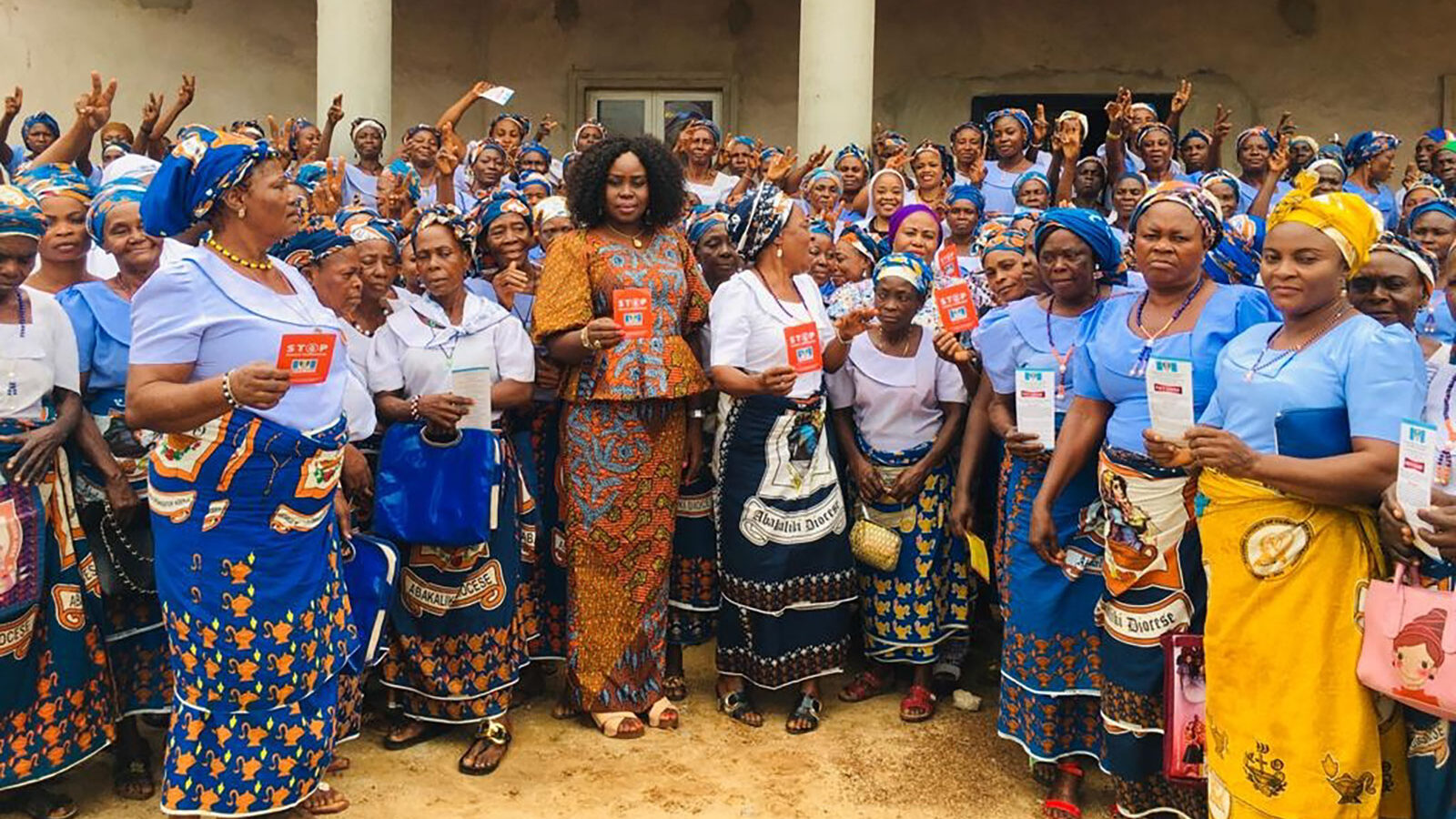
The Women Empowerment Project (WEP) empowers Catholic Sisters and marginalized communities through advocacy, leadership training, and economic empowerment to promote inclusive, equitable, and accountable governance across Africa.
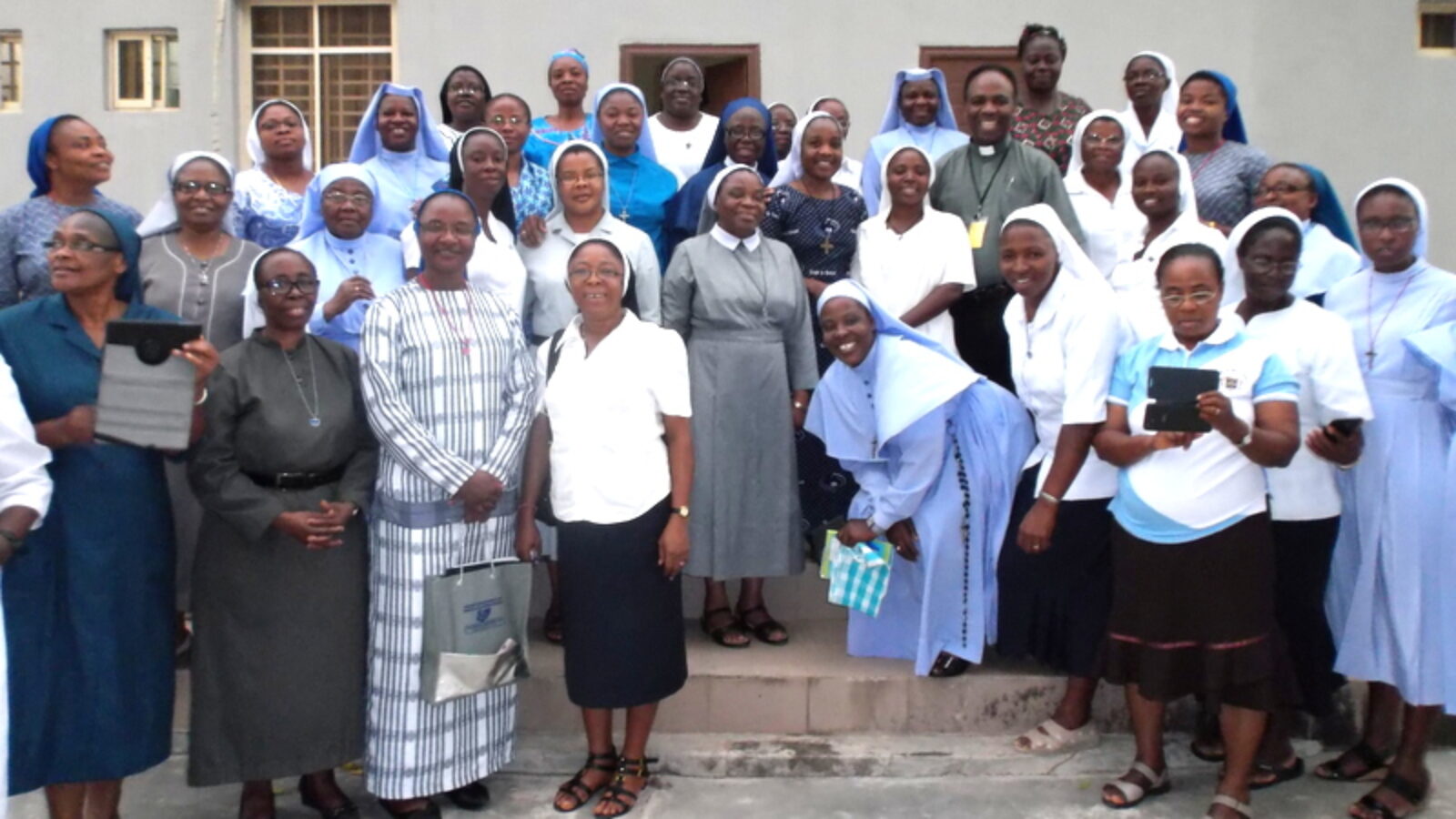
AFJN recognizes the enormous potential of African women—especially Catholic Sisters—as agents of social transformation. For decades, Catholic Sisters have been deeply rooted in their communities, serving through education, healthcare, pastoral ministry, and social services. Building on this trusted presence, the Women Empowerment Project helps Sisters move beyond service delivery to address the root causes of poverty, inequality, and systemic injustice.
Through advocacy training, mentorship, network-building, and economic empowerment initiatives, AFJN strengthens the capacity of Catholic Sisters to collaborate with others and take an active role in shaping their communities and nations. The project equips them to engage public institutions, influence policies, and contribute to more responsive and inclusive systems of governance.
By providing individuals and communities with critical information, knowledge, and practical skills, AFJN challenges harmful socio-cultural norms that perpetuate inequality and exclusion. In doing so, the organization promotes governance that is inclusive, equitable, and accountable. This approach enables women, youth, and marginalized groups to participate meaningfully in decision-making processes and to shape their futures with dignity, confidence, and hope.