The African Diaspora and the Work of Justice and Peace
Friday, September 18, 2026
by Jacques Bahati
Posted in AFJN in the News, Coalitions, Continental Issues, Featured, Focus Campaigns, Just Governance, Justice, News, Newsletter, Partners, Promote Peace in Central Africa, Resources
Tagged in
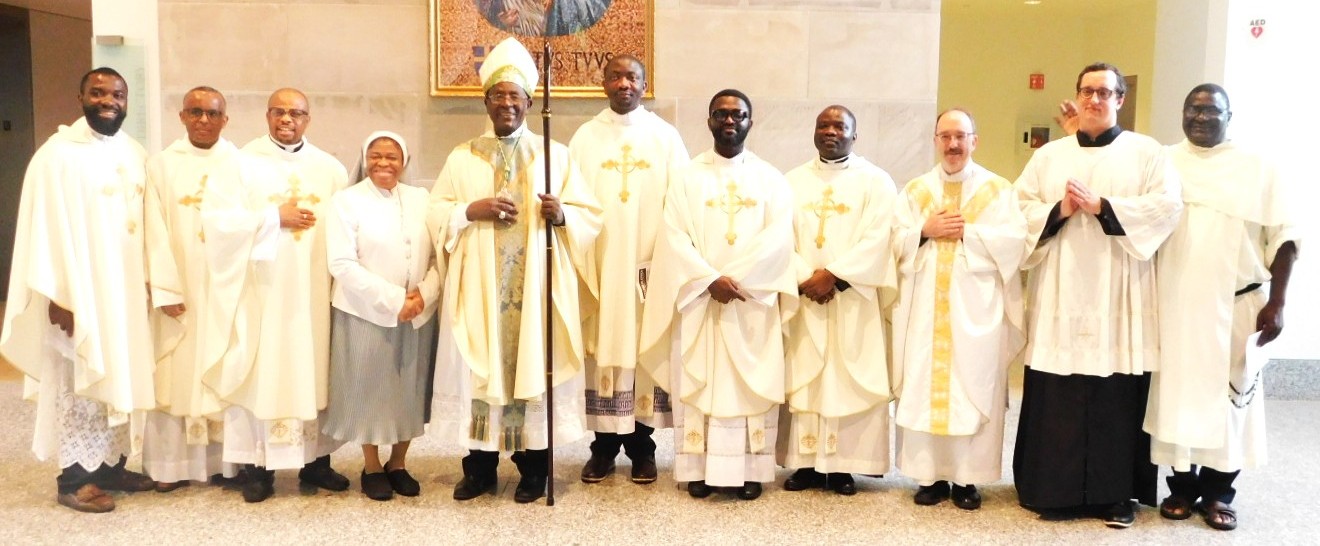
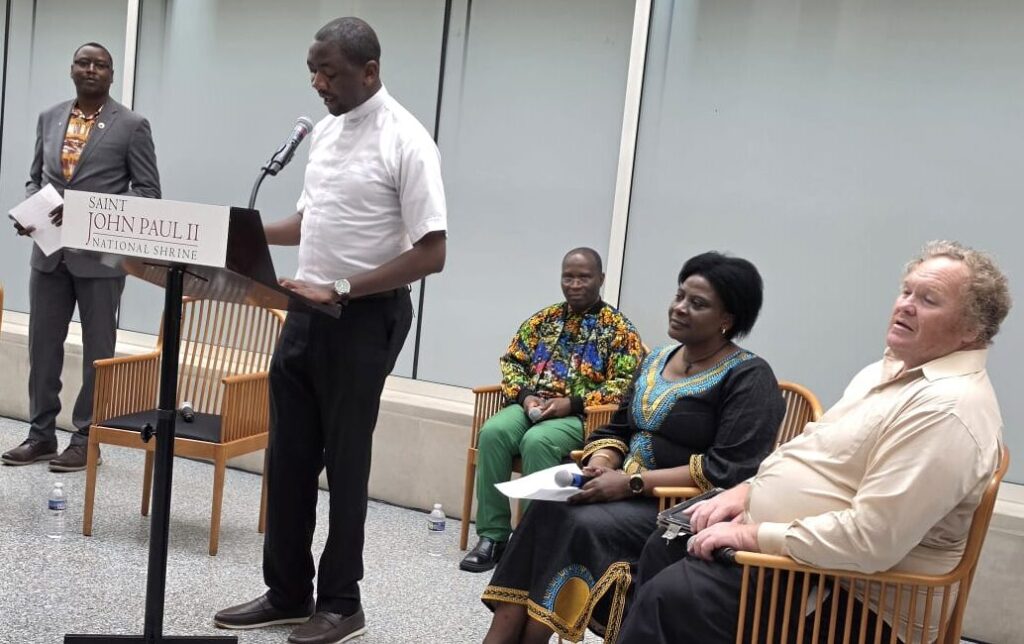
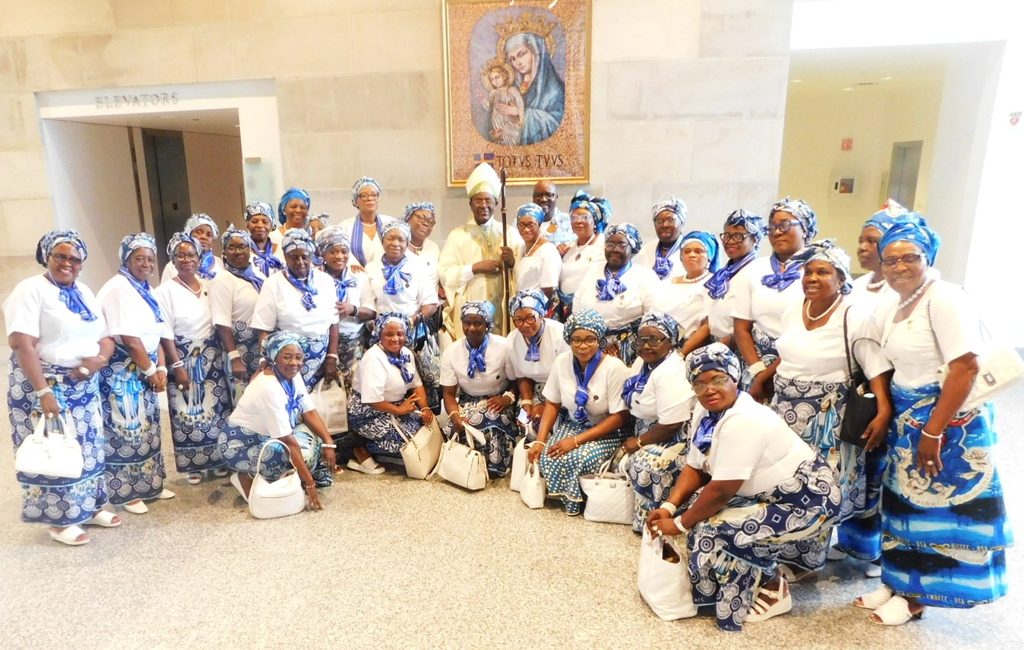
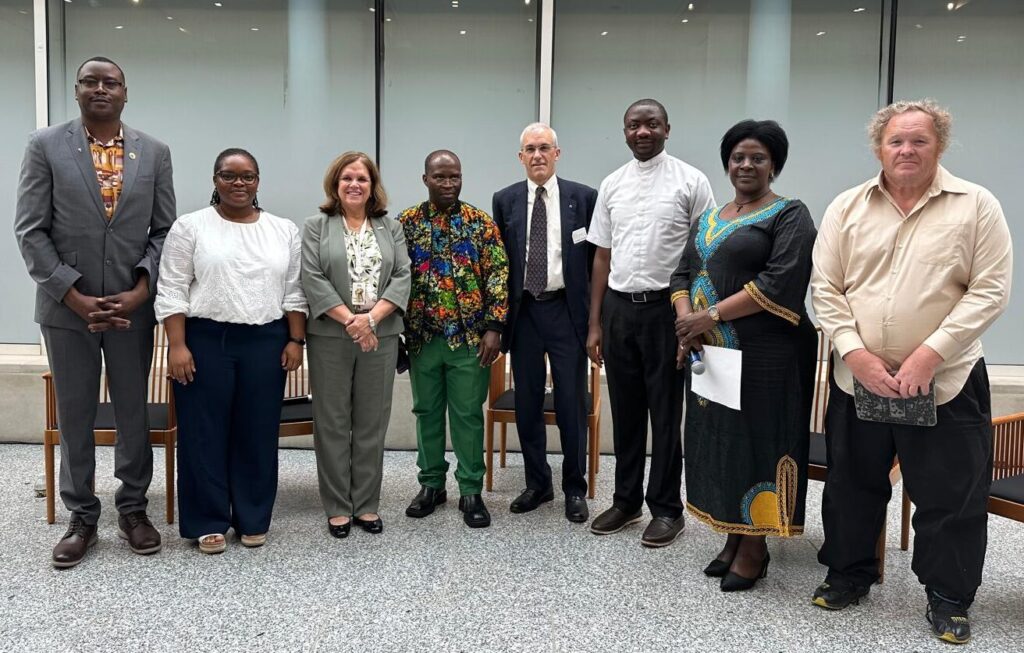
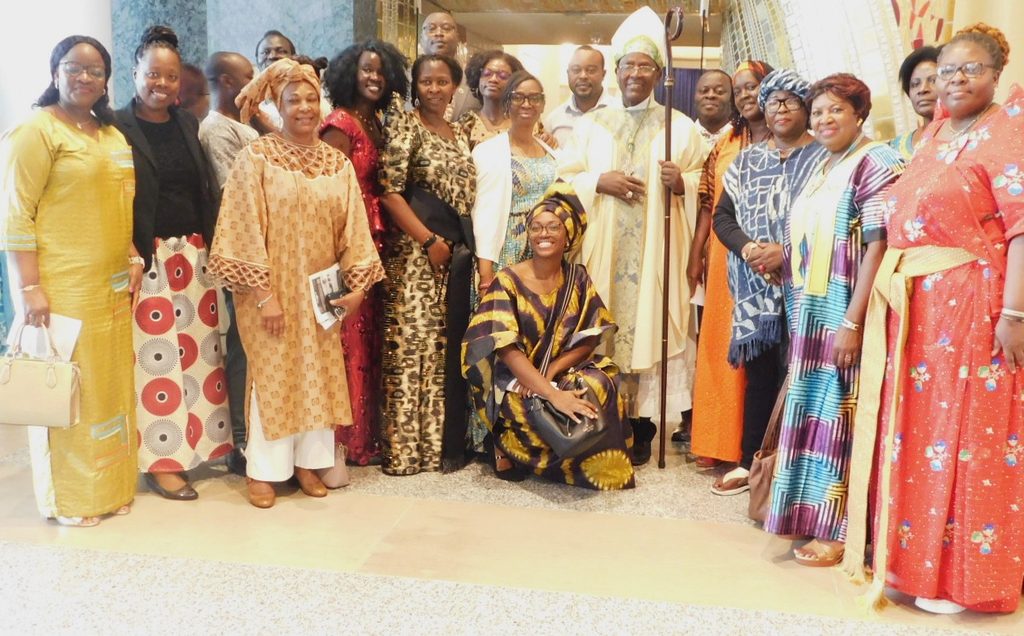
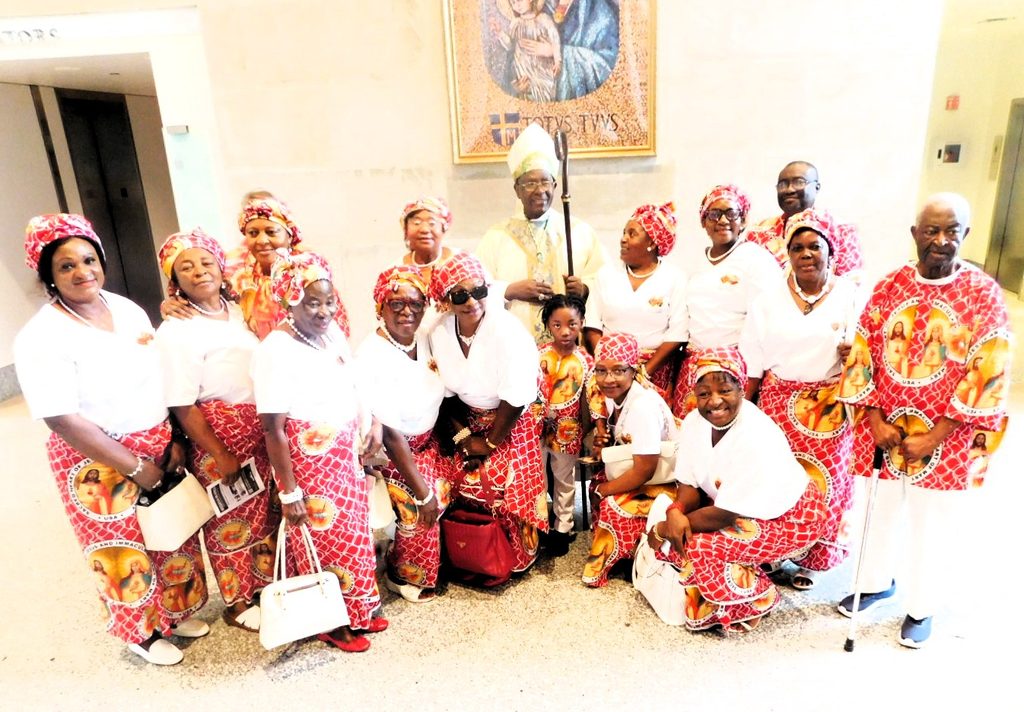
The African Catholic Association of the Washington Metropolitan Area organized a celebration of Ecclesia in Africa and “Africa’s Gift to the Church” on Saturday, September 12, 2026, featuring a keynote address by Africa Faith and Justice Network’s Senior Policy Analyst, Mr. Ntama Bahati. His speech centered on a demanding, but hopeful theme: “If You Want Peace, Cultivate Justice” The Role of the African Diaspora in Peacebuilding in the Light of Ecclesia in Africa.”¹ Read the full Keynote here
The theme is rooted in Saint Paul VI’s message for the 1972 World Day of Peace: “If you want peace, work for justice.”² It is also at the heart of Ecclesia in Africa, signed in Yaoundé, Cameroon, on September 14, 1995. The exhortation calls the Church in Africa to be a Family of God and a prophetic community committed to human dignity, reconciliation, justice, and peace.³
Peace Is More Than No War
When people speak of peace, they often mean the absence of war. They think of soldiers, armed groups, massacres, forced displacement, military coups, and refugees. These are indeed devastating signs of the absence of peace. But peace is more than the absence of bullets.
The Catechism of the Catholic Church teaches that peace “is not merely the absence of war” but is the fruit of justice.⁴ The Second Vatican Council makes the same point: peace is not simply the temporary quiet created by fear, repression, or a balance of power. It rests on justice, respect for human dignity, and right relationships among persons and peoples.⁵
This distinction is essential for Africa and for the African diaspora. A country may have no open warfare and still not be peaceful. A family may be quiet because members are afraid to speak and still not be peaceful. A workplace may look orderly while employees are humiliated, neglected, or exploited. A parish may celebrate beautiful liturgies while ethnic prejudice, favoritism, and distrust persist beneath the surface.
The Dutch philosopher Baruch Spinoza captured this insight when he wrote: “Peace is not an absence of war, but a virtue, a state of mind, a disposition for benevolence, confidence, justice.”⁶
Peace, then, is not passive silence. It is a moral and social condition. It exists where people can live without fear, where public institutions protect rather than exploit, where the vulnerable are treated with dignity, and where communities can trust one another.
Peace scholars sometimes distinguish between negative peace and positive peace. Negative peace means that open violence has stopped. This is necessary and life-saving. But positive peace goes further: it means the presence of justice, truth, reconciliation, dignity, trust, participation, and human flourishing.⁷
The prophet Isaiah describes this relationship with remarkable clarity: “The effect of righteousness will be peace, and the result of righteousness, quietness and trust forever” (Isa. 32:17). Peace is therefore not merely the end of war. It is the presence of justice.
Justice Is the Work of Human Dignity
If peace is more than the absence of war, justice is more than the absence of crime. Justice is not merely a court decision, a law, or a punishment imposed by the powerful. Justice means recognizing and protecting the God-given dignity of every person. It means treating others not as obstacles, instruments, sources of profit, or members of the “wrong” ethnic group, but as brothers and sisters created in the image of God.
Justice means truth in our words, honesty in our money, fairness in our decisions, respect in our families, and care for the poor, the elderly, the sick, the refugee, the widow, the orphan, and the stranger.
The biblical command is clear: “What does the Lord require of you but to do justice, and to love kindness, and to walk humbly with your God?” (Mic. 6:8).
This is why Ecclesia in Africa presents the Church as the Family of God. A true family is not simply a group of people with a common name. It is a community of mutual responsibility, respect, care, truth, forgiveness, and love. In such a family, the strong do not exploit the weak; one ethnic group does not deny the dignity of another; the elderly are not abandoned; children are not treated as burdens; and the stranger is not seen as an enemy.⁸
For African Christians, this means that baptismal identity must be stronger than tribalism, the Cross stronger than ethnic hatred, and the Gospel stronger than political manipulation.
The Diaspora Must Begin With Itself
The African diaspora has a vital role in this work. But the keynote’s central challenge was personal: We cannot give a peace that we do not possess.
It is easy to condemn corruption in Africa while being dishonest abroad. It is easy to criticize political leaders while mistreating a spouse, child, employee, colleague, patient, or vulnerable elder. It is easy to denounce tribalism while importing ethnic divisions into diaspora associations, parishes, and homes.
Peacebuilding begins in daily conduct. It begins in the home. It begins at work. A caregiver in a nursing home builds peace by treating an elderly resident with patience and respect. A manager builds peace by treating employees fairly. A business owner builds peace by paying workers honestly. A public servant builds peace by serving rather than exploiting. A student builds peace by rejecting dishonesty.
Honesty is not a small private virtue. It is an act of peacebuilding. Honesty creates trust; trust enables cooperation; cooperation builds community; and community makes peace possible.
The call of Ecclesia in Africa is therefore not only to celebrate the growth of the Church in Africa. It is to allow the Gospel to transform consciences, families, workplaces, institutions, and relationships across ethnic and national lines.⁹
The African diaspora is called not merely to fund peace, but to embody it. If we want peace, we must cultivate justice. And if we want justice, we must begin with ourselves.
Footnotes
- ACI Africa, “African Diaspora Engages With St. John Paul II’s Vision for the Continent at Washington Celebration,” accessed September 24, 2026, https://www.aciafrica.org/news/24107/african-diaspora-engages-with-st-john-paul-iis-vision-for-the-continent-at-washington-celebration.
- Paul VI, “If You Want Peace, Work for Justice,” message for the celebration of the World Day of Peace, January 1, 1972, Vatican website.
- John Paul II, Ecclesia in Africa: Post-Synodal Apostolic Exhortation on the Church in Africa and Its Evangelizing Mission towards the Year 2000, September 14, 1995, nos. 63–64, 105–19, Vatican website.
- Catechism of the Catholic Church, 2nd ed. (Vatican City: Libreria Editrice Vaticana, 1997), no. 2304, Vatican website.
- Second Vatican Council, Pastoral Constitution on the Church in the Modern World (Gaudium et Spes), December 7, 1965, no. 78, Vatican website.
- Baruch Spinoza, A Political Treatise, trans. R. H. M. Elwes (London: George Bell and Sons, 1883), chap. 5, sec. 4. Spinoza’s commonly cited wording is: “Peace is not an absence of war, but a virtue which springs from force of character.” The longer formulation—“a state of mind, a disposition for benevolence, confidence, justice”—is widely circulated as a paraphrase or expanded translation and should not be presented as a verbatim quotation from the Elwes translation.
- Johan Galtung, “Violence, Peace, and Peace Research,” Journal of Peace Research 6, no. 3 (1969): 167–91, https://doi.org/10.1177/002234336900600301. Galtung’s influential framework distinguishes direct violence from structural violence and provides the foundation for the concepts commonly described as negative and positive peace.
- John Paul II, Ecclesia in Africa, nos. 63–64. The exhortation presents the Church as God’s Family, while also recognizing that ethnic division can threaten the common good and the life of local Churches.
- John Paul II, Ecclesia in Africa, nos. 105–19. These sections address the Kingdom of justice and peace, human rights, democratic participation, solidarity, refugees and displaced people, economic justice, and the Church’s social witness.