
Ghana: Protecting Land, Livelihoods, and Food Security
Friday, August 21, 2026
by Jacques Bahati
Posted in AFJN Chapters, AFJN-Ghana, Advocacy, Focus Campaigns, Just Governance, Land Grabbing
Tagged in

From July 17 to July 18, 2026, the Africa Faith and Justice Network (AFJN) traveled to Ghana’s Kpetoe and Ziokpe district and Atratsi Municipal to continue its work on land grabbing prevention, responsible investment, land governance, and food security. AFJN held community engagements in Adaklu Avegi and Agotrime-Kpetoe in Kpetoe district; Atratsi in Akatsi Municipal; and Ziokpe Agbalevi in Ziokpe district. The work recognizes that land is not simply an economic asset. For a nation, it is the foundation of food production, livelihoods, culture, and the future of coming generations.
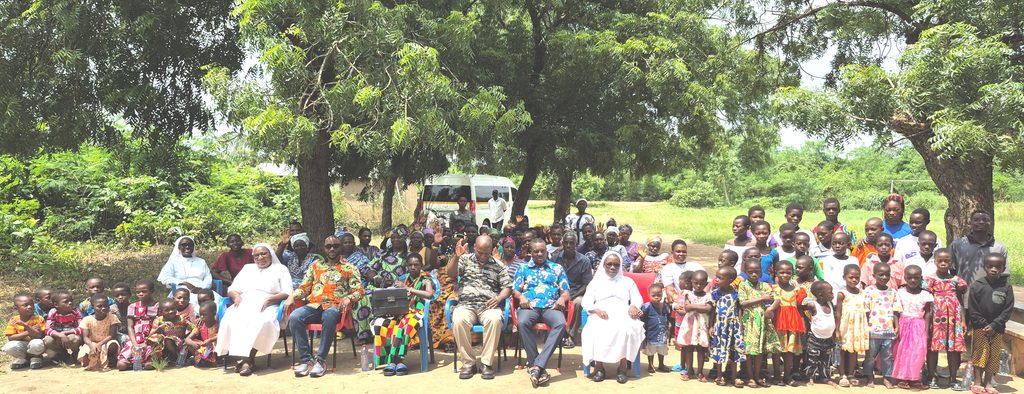
During the mission AFJN addressed the central concern which is land grabbing. In this context, land grabbing refers to the transfer or acquisition of large areas of community land for outside or foreign agribusiness interests that are primarily driven by commercial returns rather than local food security and community development. Additionally, it encompasses land acquisitions that are unlawful, unethical, or inconsistent with human rights standards, particularly where they fail to respect the free, prior, and informed consent (FPIC) of affected landowners and communities. Such acquisitions may occur through unequal bargaining power, inadequate disclosure of information, misleading representations, coercive or deceptive practices, or other processes that undermine the ability of affected communities to make informed and voluntary decisions regarding their land. When productive land is transferred in this manner, communities can lose access to the land they depend on for farming and food production.
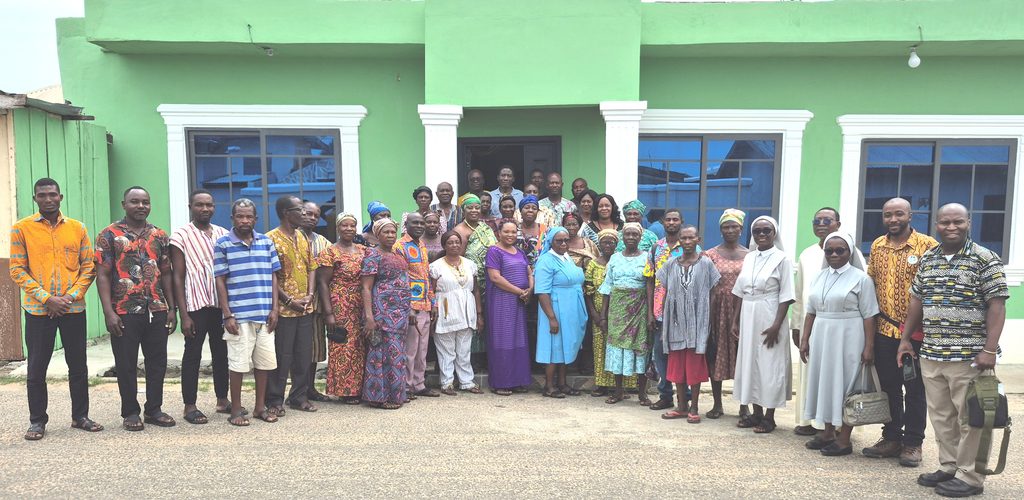
The mission focused on strengthening community awareness and promoting informed and responsible decisions about land transactions and investments. AFJN emphasized the need to protect productive agricultural land and ensure that investment does not undermine local food systems. Responsible investment should contribute to communities rather than displace farmers, reduce local food production, or compromise the ability of future generations to access land.
Engagement with Traditional Leaders in Atratsi
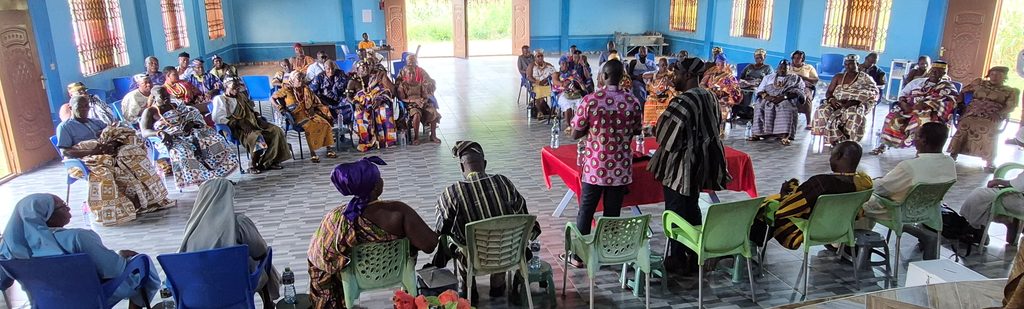
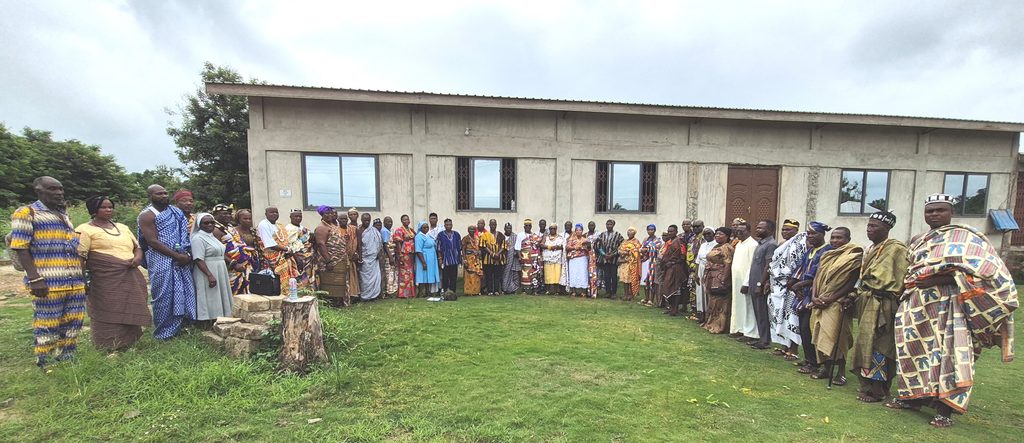
A key component of the mission was engagement with traditional chiefs and community leaders in Atratsi, whose custodial and decision-making roles are central to community land governance.
AFJN emphasized informed, accountable, and rights-based land governance, including protection of community land, scrutiny of proposed investments, and consideration of their implications for food security, livelihoods, and future generations. The engagement reinforced the role of traditional authorities in preventing land grabbing and advancing responsible land investment.
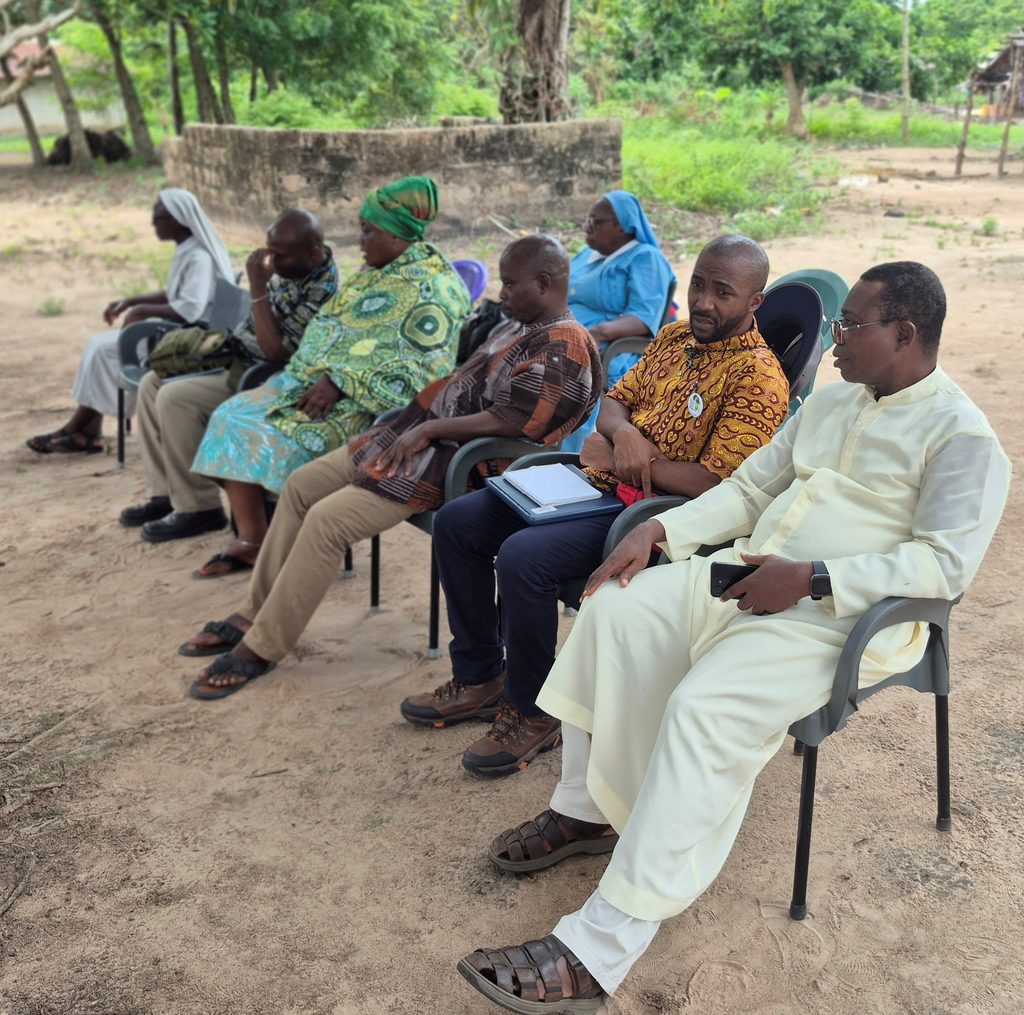
The Atratsi engagement was therefore an important part of AFJN’s strategy to strengthen local leadership in preventing land grabbing and promoting responsible investment.
AFJN’s engagement in Kpetoe, Atratsi, and Ziokpe reaffirmed the importance of rights-based, accountable, and participatory land governance in protecting community land, livelihoods, and food security. Preventing land grabbing requires more than regulating land transactions; it requires ensuring that affected communities and traditional authorities have access to relevant information, participate meaningfully in land-use decisions, and are protected from practices that undermine their rights and interests.