Jacques Bahati
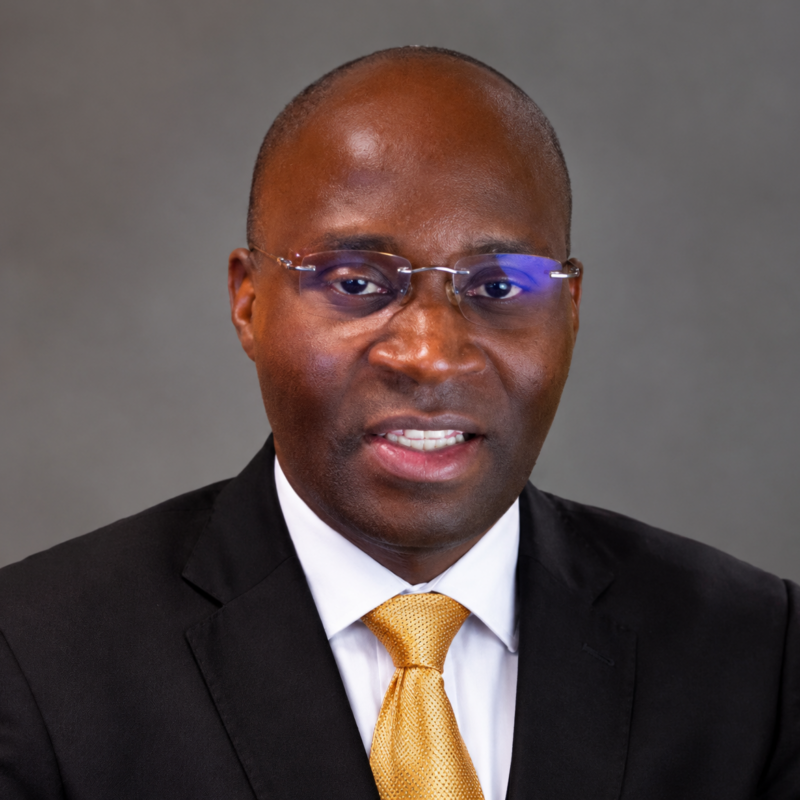
Jacques Bahati is a Senior Policy Analyst with the Africa Faith and Justice Network (AFJN), where he has contributed to research, advocacy, and policy engagement since 2007. His work focuses on U.S.–Africa policy, governance, peacebuilding, and the ethical dimensions of economic justice across the African continent.
He holds a Bachelor’s degree in Philosophy from La Ruzizi Institute in Bukavu, Democratic Republic of Congo (2000), as well as a Master of Divinity (2006) and a Master of Arts in Ethics (2007) from Catholic Theological Union in Chicago. His academic formation bridges philosophy, theology, and ethics, equipping him with a rigorous framework for addressing complex policy and moral challenges.
Bahati has developed a distinguished body of work analyzing the political economy of Africa, with particular expertise in governance failures, conflict dynamics, natural resource management, and the structural impacts of international policy decisions. Through influential policy briefs, public commentary, and speaking engagements, he has consistently advanced bold, solutions-oriented perspectives rooted in accountability and long-term sustainability.
A principled and uncompromising advocate for justice, Bahati has dedicated his career to confronting corruption and promoting transparent, accountable leadership across the continent. He firmly rejects ethnocentrism in all its forms, viewing Africa’s cultural and ethnic diversity as a strategic asset rather than a source of division. His work emphasizes unity, ethical leadership, and the cultivation of a shared civic identity grounded in mutual respect and common purpose.
Additionally, he is an admirer of the visions of late Tanzanian president John Pombe Magufuli, Burkina Faso’s Thomas Sankara, D.R. Congo Prime Minister Patrice Lumumba, and South Africa President Nelson Mandela. He draws inspiration from their commitment to sovereignty, dignity, and transformative leadership, while critically engaging the ongoing challenges of governance and nation-building in Africa.
Bahati is a strong proponent of intra-African trade, regional integration, and economic self-reliance. He consistently argues that Africa’s long-term prosperity depends on its ability to harness its own resources, strengthen its institutions, and reduce dependency on external aid. Central to his vision is the urgent need for civic education that empowers citizens to engage in active, peaceful, and responsible political participation.
Grounded in Catholic social teaching, his advocacy advances human dignity, the common good, and equitable development. He is particularly committed to promoting women’s rights, beginning with access to education as a foundational pillar of social transformation.
Fluent in English and French, and proficient in several languages spoken across the African Great Lakes region, Bahati engages effectively with diverse audiences spanning policy, faith-based, and grassroots communities. His voice continues to shape critical conversations on Africa’s future, offering a compelling vision of ethical leadership, self-determination, and sustainable development.