Featured News

AFJN Welcomes Our 2025 Summer Interns
AFJN Welcomes our 2025 Summer Interns Natalie Blouin, Roberto Castro, and Mokua Makori
AFJN Welcomes Our 2025 Summer Interns
AFJN Welcomes our 2025 Summer Interns Natalie Blouin, Roberto Castro, and Mokua Makori
Press Statement: Africa Faith and Justice Network Cautiously Optimistic about the Brokered Democratic Republic of the Congo and Rwanda Peace Agreement
Friday, the Government of the Democratic Republic of the Congo (DRC) and the Government of the Republic of Rwanda (Rwanda), facilitated by the United States of America (US), signed the “Peace Agreement between the [DRC] and [Rwanda]” marking the most recent attempt to bring peace to a region whose peoples have been suffering for three decades as governments, rebels, and military factions fight over the rights of critical minerals and land.
A Juneteenth Reflection During the Jubilee Year of Hope
Today, we celebrate Juneteenth, a significant day marking the emancipation of enslaved Africans in the United States. This day serves as a poignant reminder of our collective history, marked by the brutal realities of slavery, struggles for freedom, and the enduring spirit of resilience that defined our ancestors. In the spirit of the Jubilee year, a time traditionally associated with liberation, restoration, and renewal, we honor the memory and courage of those who fought for their freedom and paved the way for future generations.
What Drives Us
Our Work in Africa
AFJN received grants for our Women’s Empowerment and the Africa Church Together Against Corruption Projects.
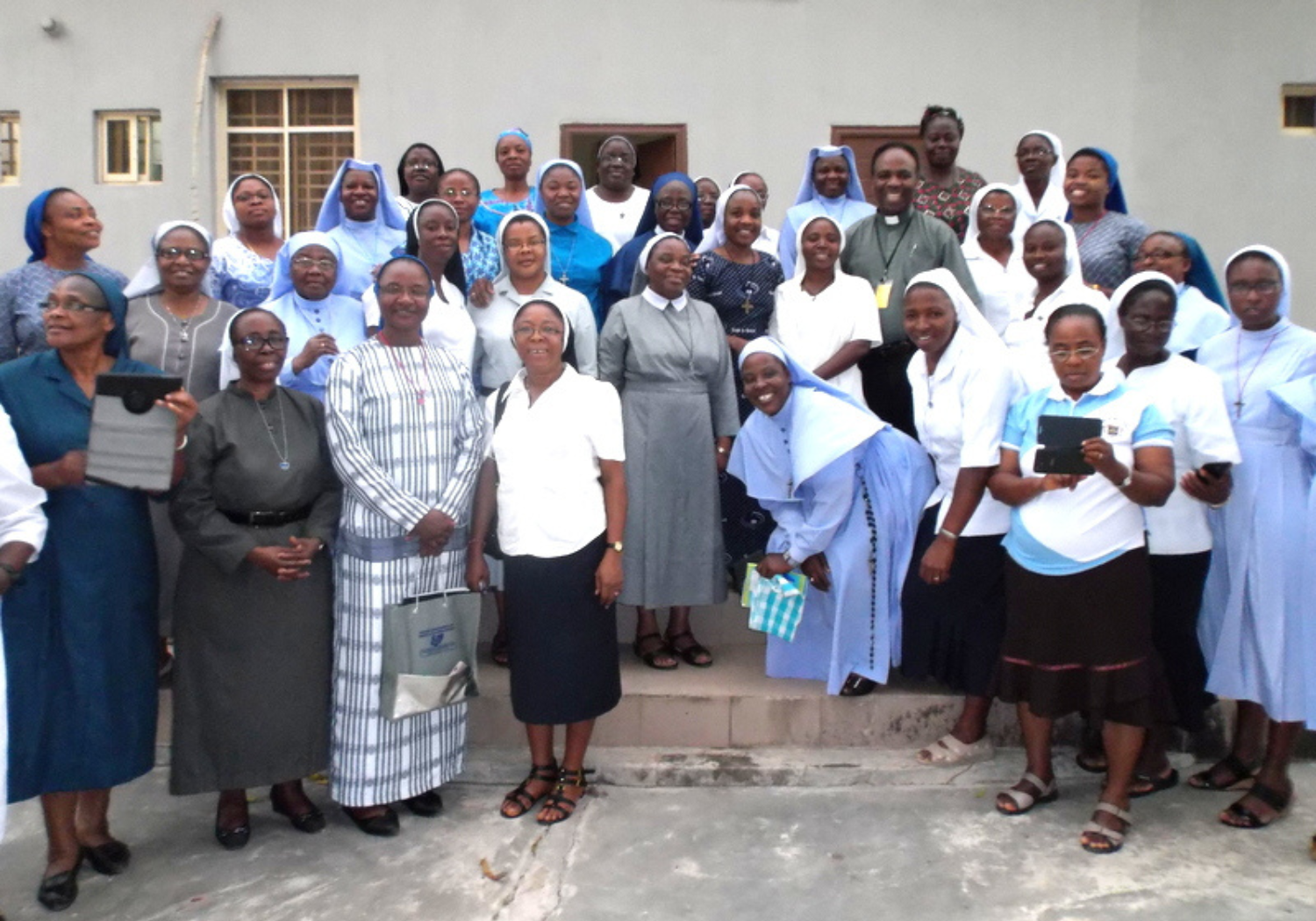
AFJN Women Empowerment Project in Africa
This project assists African Women religious in shaping a new vision of their role in society by working to change the structures that keep people in poverty and deprive them of their dignity as God’s children. It builds and strengthens a coalition of African Women Religious at the local, regional, and continental levels to work for social justice and bring about a needed change.
Africa Church Together Against Corruption Project
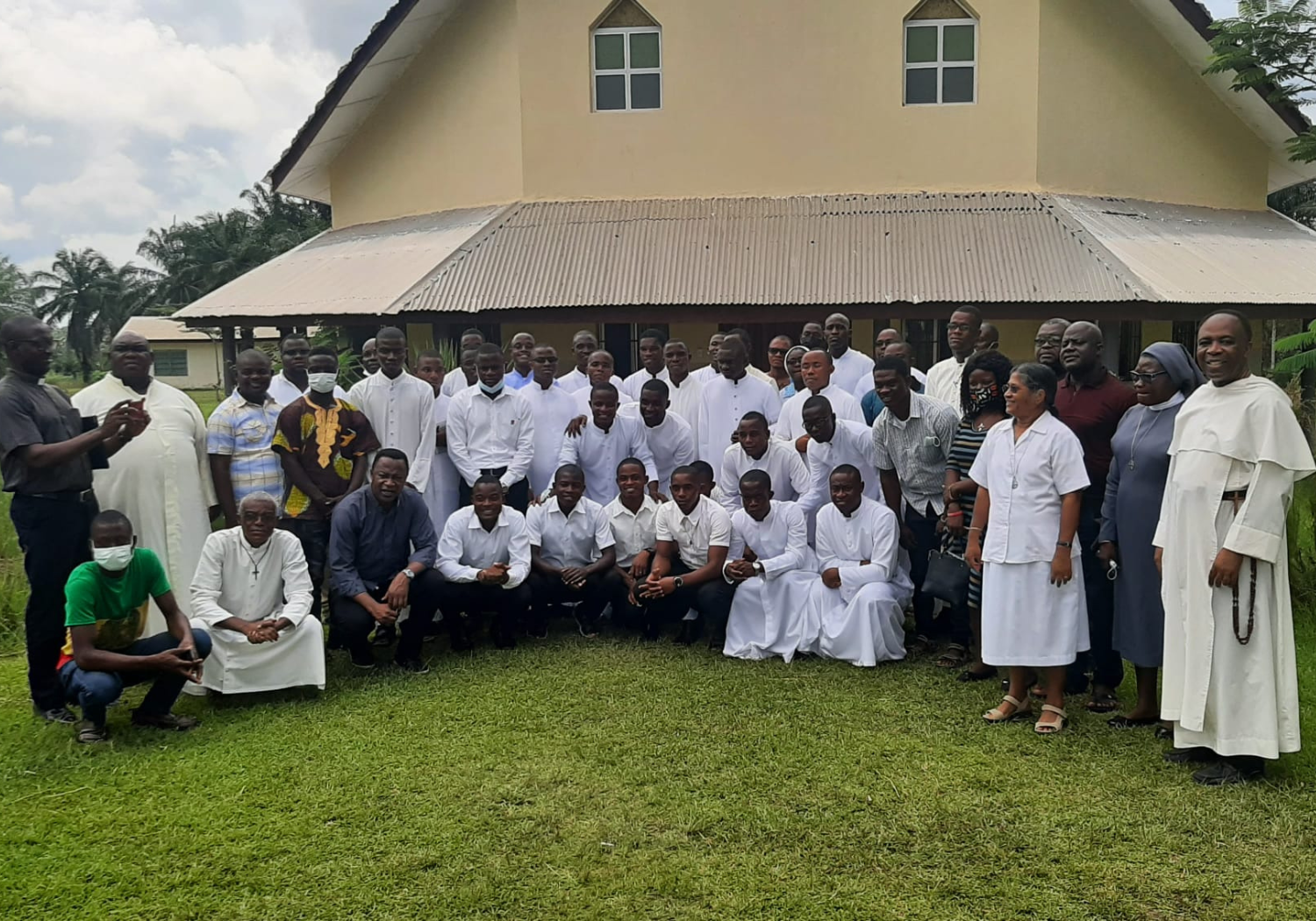
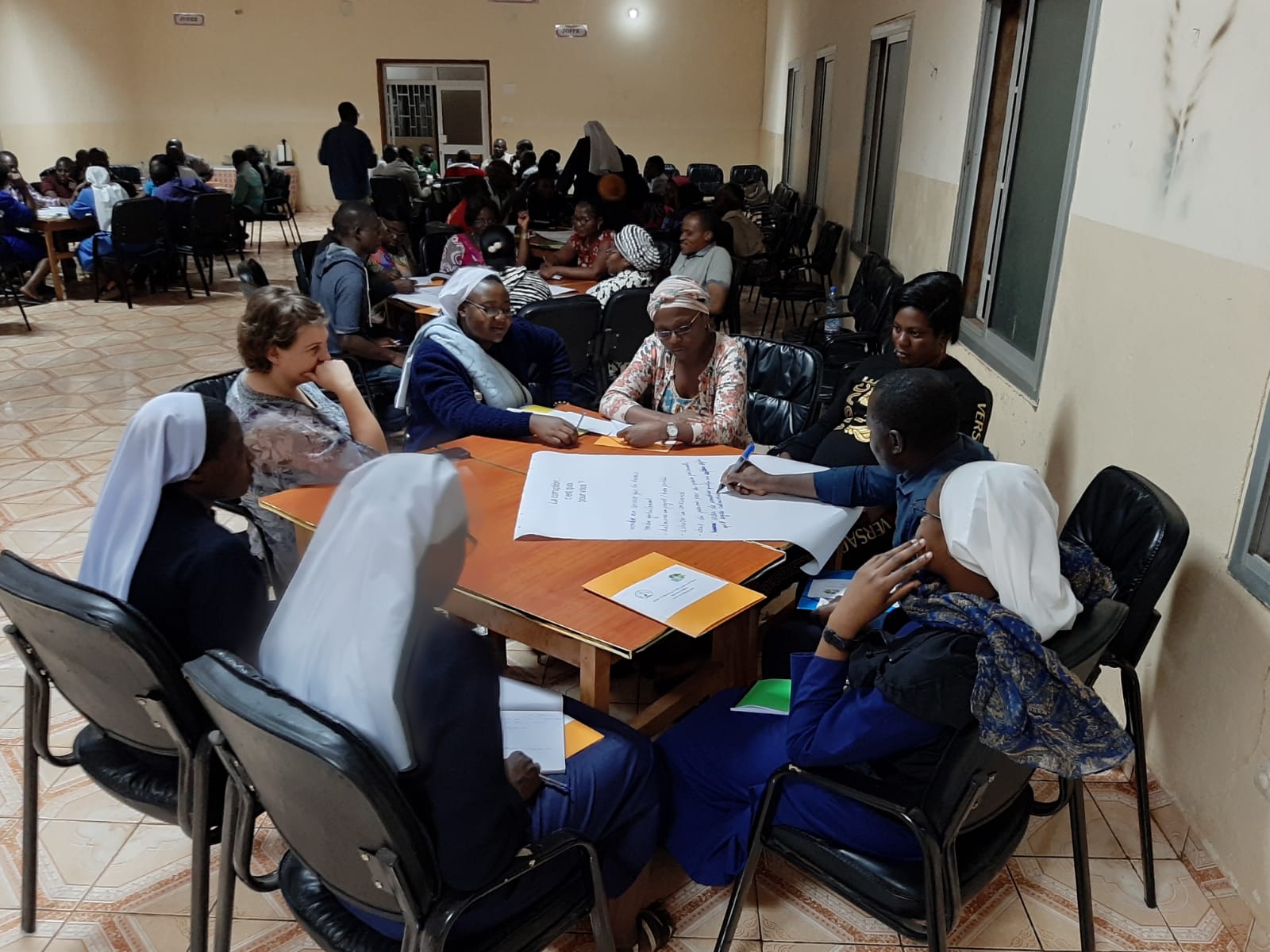
This three-year project has mobilized Church leaders to fight corruption and promote just governance in Cameroon, Liberia, and Ghana. AFJN sets out to address corruption in Church-run social services including hospitals, medical facilities, and schools, in collaboration with the local dioceses and communities, to facilitate the development of anti-corruption programs.
2024 End of Year Report: Activity Highlights & Updates
2023 End of Year Report: Activity Highlights & Updates
2022 End of Year Report: Activity Highlights & Updates
2021 End of Year Report: Activity Highlights & Updates
Advocacy
Join AFJN in our grassroots US Advocacy campaigns throughout the year where we engage members of both the Legislative and Executive Branches of the US Government, African Diplomatic Corps, religious leaders, and the US public on various important issues affecting Africans.
Video Gallery
Learn
How You Can Get Involved
AFJN acts as a voice to inform and motivate people to take action in their local communities and internationally. We work closely with many constituents on the ground all over Africa as well as with individuals and congregations in the US. We have three levels of organizing that you can get involved in:

Grassroots Organizing and Advocacy
Spreading knowledge and gaining widespread support is so important to changing mindsets and influencing our policymakers. You can attend or host an event to raise awareness and educate your community on situations in Africa that need our attention.
Individual and Congregational Advocacy
Both individuals and congregations are important to spreading our mission and supporting the work we do – in fact, we can’t do it without you!
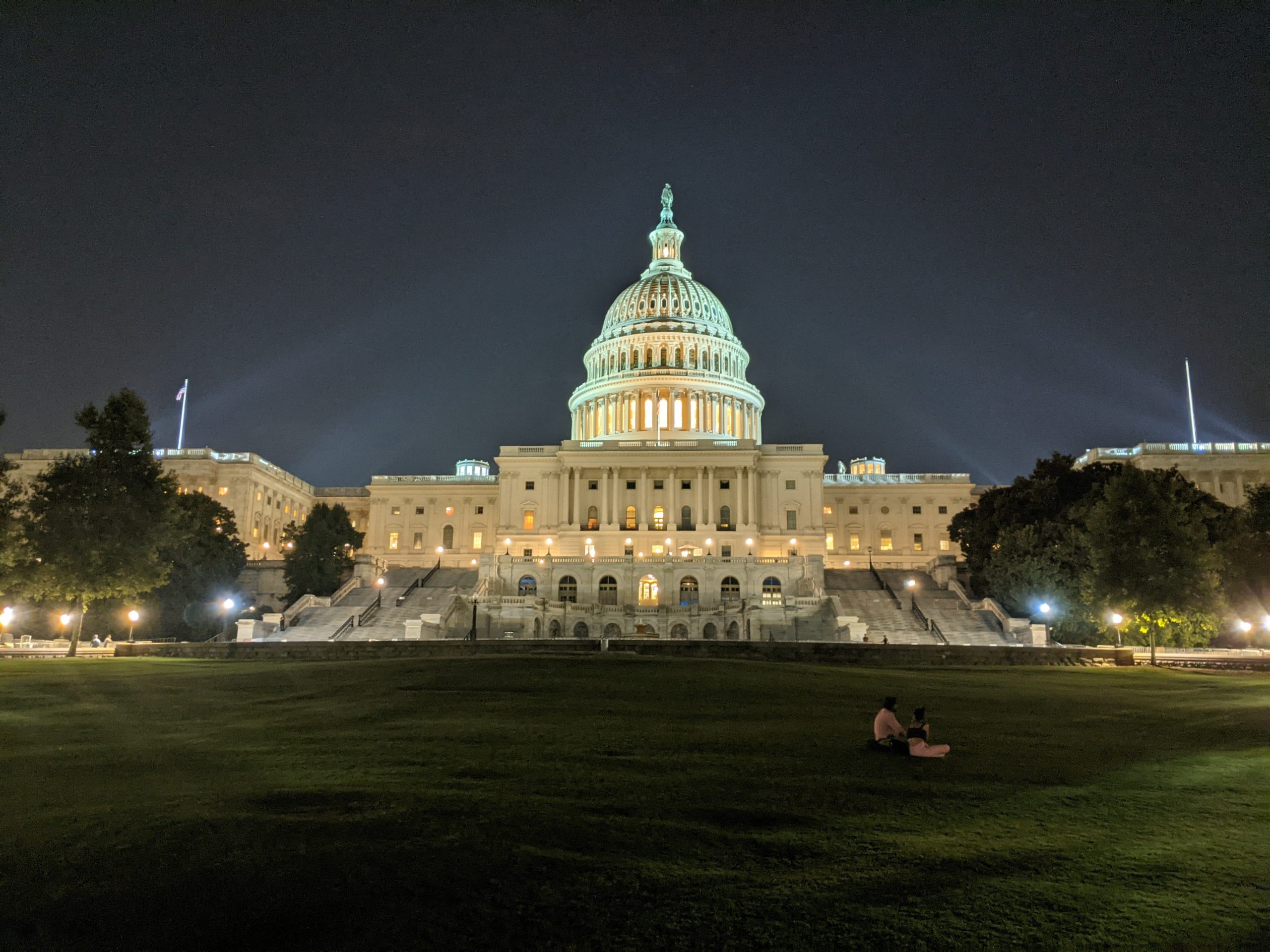
Political Advocacy
While community-based organizing is very important, there are other barriers that prevent the spread of justice. We focus on advocating for policy changes in our government that support a more just and peaceful world.