Jacques Bahati
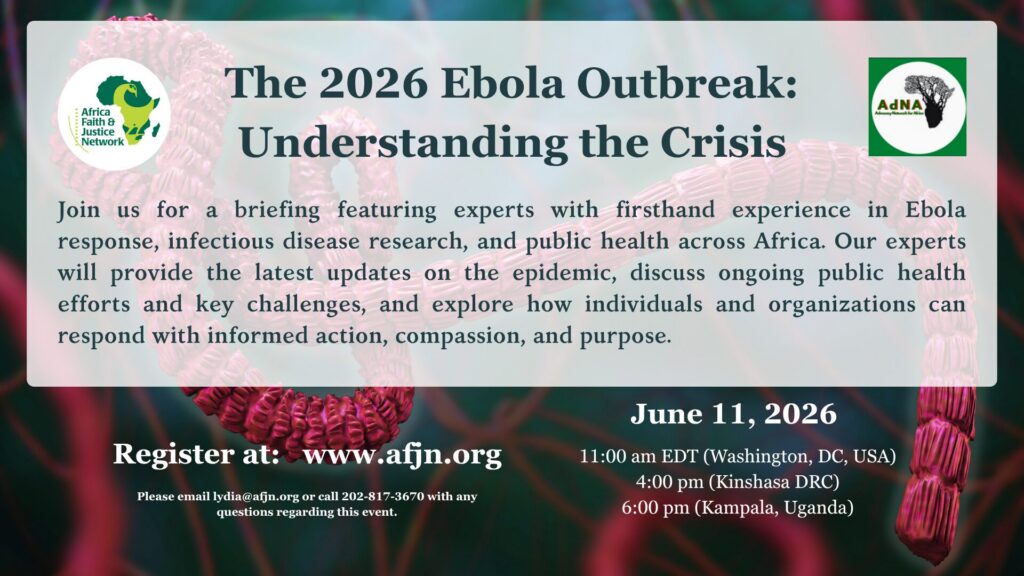
Event: The 2026 Ebola Outbreak – Understanding the Crisis
The Africa Faith and Justice Network (AFJN) and the Advocacy Network for Africa (AdNA) invite you to “The 2026 Ebola Outbreak – Understanding the Crisis” online event on Thursday, June 11, 2026 at 11:00 am ET (Washington, DC). This event is free and open to the public. Registration requested.

Ecumenical Advocacy Days 2026 “Protecting People, Peace, and Planet!”
Join AFJN for Ecumenical Advocacy Days 2026 “Protecting People, Peace, and Planet!” on April 20-22, 2026. Register today.

Africa’s Digital Backbone and the Challenge of Sovereignty, Jobs, and Development
Africa cannot achieve its full development potential while its digital backbone is externally controlled. Africa is rapidly adopting digital systems across public administration, finance, health, land management, taxation, and procurement. These systems promise efficiency, transparency, and improved service delivery. However, the dominant model of digitalization across the continent relies heavily on foreign-owned, foreign-managed, and foreign-maintained digital infrastructure. This reliance poses serious challenges to Africa’s economic sovereignty, job creation, innovation capacity, and long-term development prospects.
Africa Faith and Justice Network Welcomes the Democratic Republic of the Congo – the Republic of Rwanda Peace Agreement, Urges Caution and Vigilance
We are writing to bring to your attention the grave humanitarian situation in the Democratic Republic of Congo (DRC), where the Rwandan government has been violating the country’s territorial integrity. The Rwandan military has been using the March 23 (M23) rebel group, a Congolese Tutsi-led movement, to occupy key areas, including the recent occupation of North Kivu capital, Goma on January 23, 2025. This is the latest in a series of violent aggressions since M23 resumed its armed conflict against the DRC in early 2022.
The DRC–Rwanda Peace Agreement: Promise on Paper, Questions on the Ground
Today, December 4, 2025, Presidents of the Democratic Republic of the Congo (DRC) and the Republic of Rwanda authenticated a long-awaited peace agreement—which many hope will usher in a new era of stability in a region marked by decades of conflict, displacement, and silent suffering. Peace is always worth pursuing. But not all peace agreements are created equal, and some carry within them the seeds of future instability.
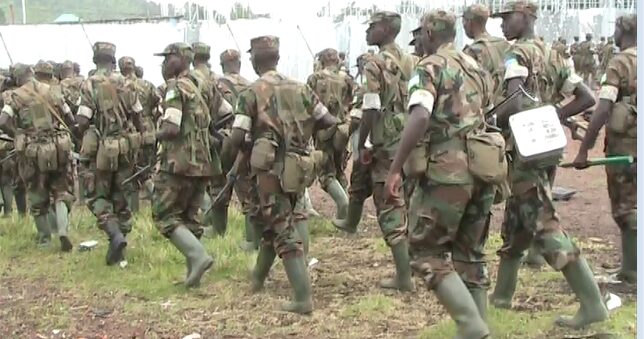
Addressing the FDLR Question: A Pragmatic Path Toward Lasting Peace Between Rwanda and the DRC
The question of the FDLR remains one of the most persistent and sensitive issues undermining stability in the Great Lakes Region. Despite multiple regional peace initiatives and security operations, the FDLR’s continued presence in the eastern Democratic Republic of Congo (DRC) continues to serve as both a security concern for Rwanda and a source of tension between Kigali and Kinshasa.

Event: A Conversation About the Democratic Republic of the Congo
The Africa Faith and Justice Network (AFJN), with Africa New Day is cosponsoring “A Conversation About the Democratic Republic of the Congo” on October 6.
10 Million Dead, Territory Lost: The War in Congo Shows No Sign of Ending
Despite claims of progress, the situation on the ground shows continued violence and increasing signs of de facto partition, in defiance of international appeals for respect of DRC’s sovereignty and territorial integrity.
Press Statement: Africa Faith and Justice Network Cautiously Optimistic about the Brokered Democratic Republic of the Congo and Rwanda Peace Agreement
Friday, the Government of the Democratic Republic of the Congo (DRC) and the Government of the Republic of Rwanda (Rwanda), facilitated by the United States of America (US), signed the “Peace Agreement between the [DRC] and [Rwanda]” marking the most recent attempt to bring peace to a region whose peoples have been suffering for three decades as governments, rebels, and military factions fight over the rights of critical minerals and land.
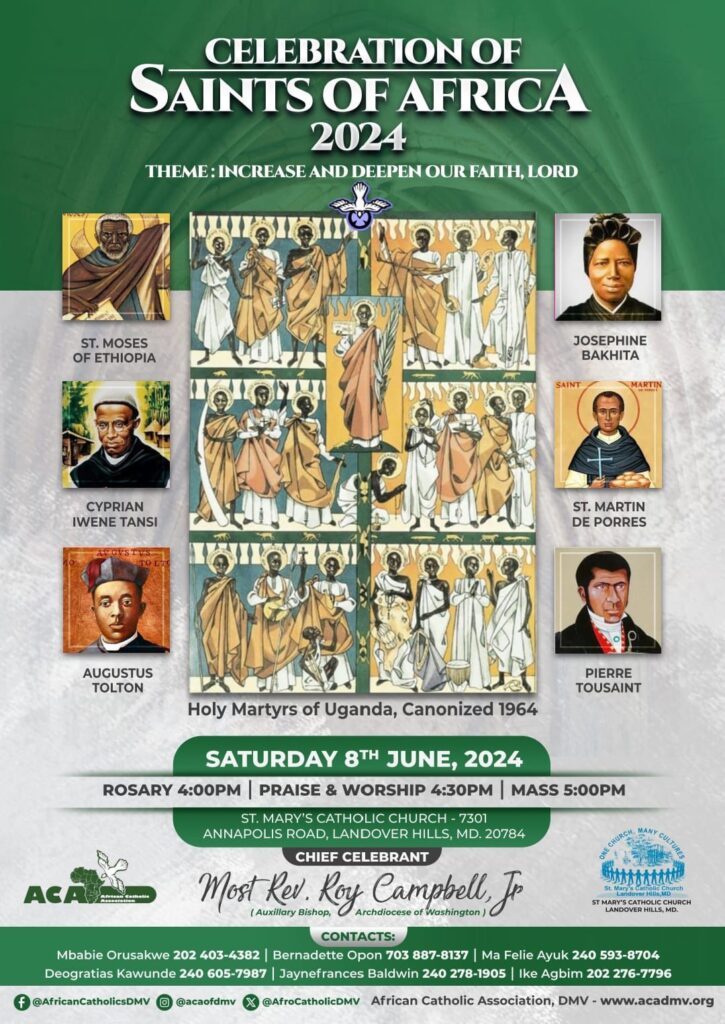
The Suffering Church in Africa: How Africans in the Diaspora Can Respond
The goal of this panel discussion is to explore, in brief,
the suffering of the African Church, to create the awareness of this
suffering in the minds of Africans in the diaspora and to explore
ways they can respond.
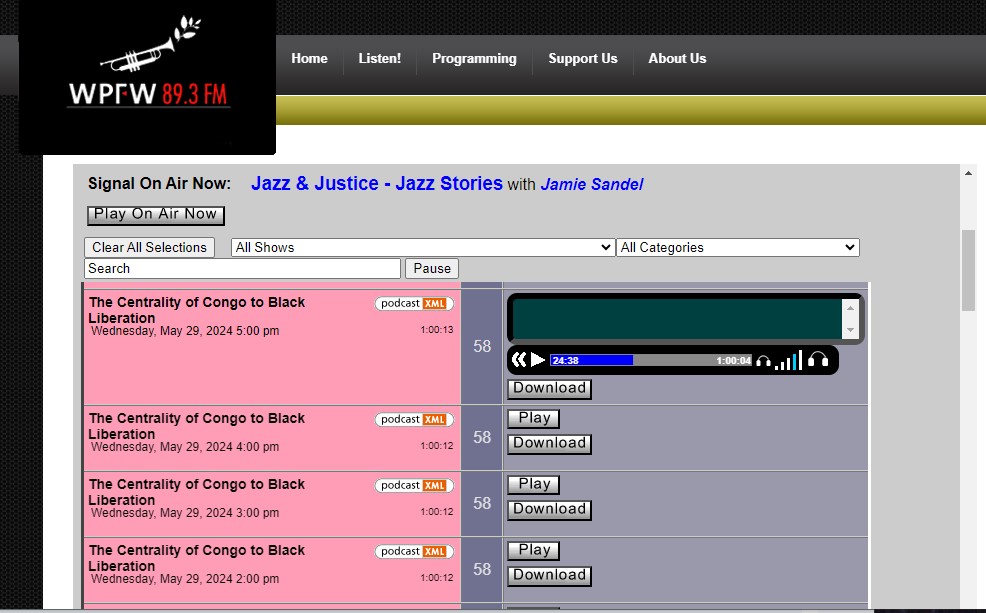
In the News: Jacques Bahati on WPFW 89.3 FM
On May 29, Africa Faith and Justice Network Policy Analyst Jacques Bahati was on “The Centrality of Congo to Black Liberation” on WPFW 89.3 FM in Washington, DC.
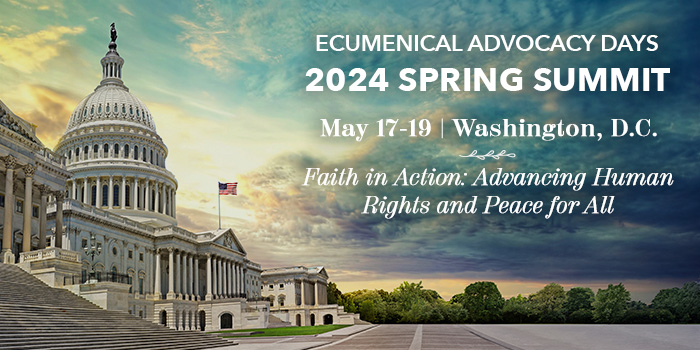
Ecumenical Advocacy Days 2024 Spring Summit
Ecumenical Advocacy Days 2024 Spring Summit “Faith in Action: Advancing Human Rights and Peace for All” an in-person event.

Book Discussion on Who Are My People? Love, Violence, and Christianity in Sub-Saharan Africa
a virtual “Book Discussion on Who are My People? Love, Violence, and Christianity in Sub-Saharan Africa” on Thursday, June 29, 2023 at 11:00 am EDT (US and Canada). This discussion will center around Emmanuel Katongole’s 2022 book Who are My People? Love, Violence, and Christianity in Sub-Saharan Africa. The online event is free but registration is required.
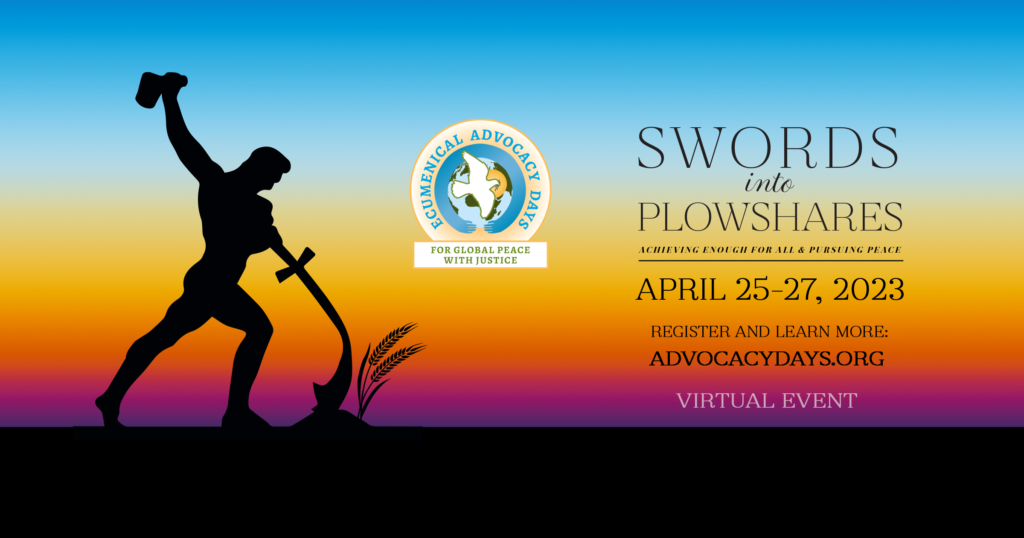
National Gathering & Lobby Day
Join us at Ecumenical Advocacy Days 2023, April 25-27, a virtual conference to worship, educate, and advocate for the innovative and courageous policies needed to realize God’s promise of peace. Our theme is “Swords into Plowshares: Achieving Enough for All & Pursuing Peace.”
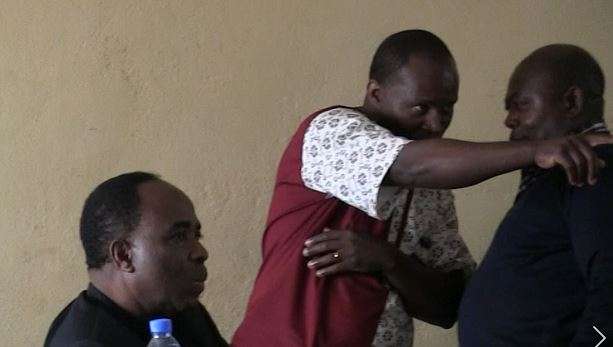
Corruption No More: Pressured, Fossang’s Catholic Health Care Center Staff all Resign
Corruption grips African societies, economies, and politics. No matter how small, it must not be minimized and must be forcefully confronted, if prosperity is ever to be secured. Countless meetings and endless reports have said little about those taking action against corruption. Being corrupt is ultimately a choice that reveals a lack of integrity. Those who cannot be trusted should never be entrusted with management.
Press Statement: Organizations Tell Congress to Support Anticorruption Measures in Defense Bill
Today, the Africa Faith and Justice Network (AFJN) along with over twenty organizations and individuals including Former US Ambassador Stephen McFarland, sent a letter to the Senate Armed Services Committee calling for support of six anticorruption measures in the Defense Bill.
Press Release: COVID Defense Act Must Include Accountability Measures
Today, the “COVID Defense Act” was formally introduced in the U.S. House of Representatives by Representative Mark Pocan. If passed, this act will provide additional resources to ensure global access to vaccines as part of the U.S. national security strategy by rescinding “1.3 percent of total defense spending” and authorizing “the same amount for international COVID vaccine production and distribution.” The Africa Faith and Justice Network (AFJN) calls on Members of Congress to ensure that if passed, the act will also include measures to keep kleptocrats in check through accountability mechanisms.
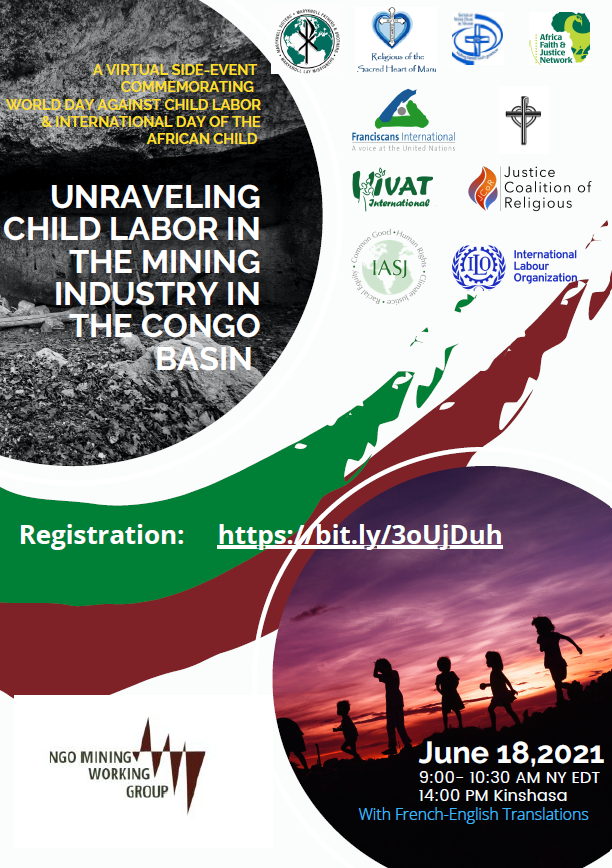
Event: Unraveling Child Labor in the Mining Industry in the Congo Basin
The Africa Faith and Justice Network invites you to join our Policy Analyst, Ntama Bahati Jacques, for a United Nations Civil Society Organization Side Event “Unraveling Child Labor in the Mining Industry in the Congo Basin” on Saturday, June 18, 2021 at 9:00 am (EDT US and Canada and 14:00 pm Kinshasa). To register click here.

Ecumenical Advocacy Days Conference 04/10-04/21- Imagine! God’s Earth and People Restored
The Ecumenical Advocacy Days are back virtually in 2021 advocating for Climate Justice! This years is Imagine! God’s Earth and People Restored. EAD 2021 is an opportunity to support this global movement centered on and led by the people and communities most vulnerable to climate impacts due to historic racial and colonial inequities. Together, we will passionately advocate and reimagine a world that lives out the values of justice, equity and the beloved community.