Contact Congress
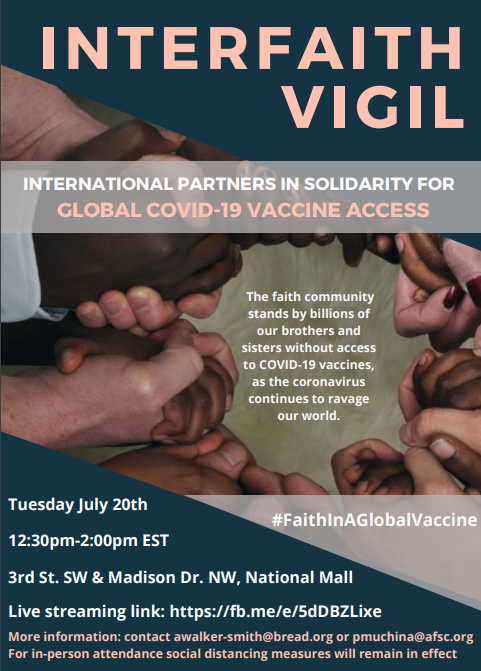
Join AFJN’s Ntama Bahati July 20th for the Interfaith Vigil for Global COVID-19 Vaccine Access on the National Mall
The Africa Faith and Justice Network (AFJN) is cosponsoring the “Interfaith Vigil for Global COVID-19 Vaccine Access” on Tuesday, July 20 from 12:30 – 2:00 pm (EDT US and Canada) on the National Mall in Washington, DC. AFJN’s Policy Analyst, Ntama Bahati, will be offering a prayer. All are welcome to participate in person or online.
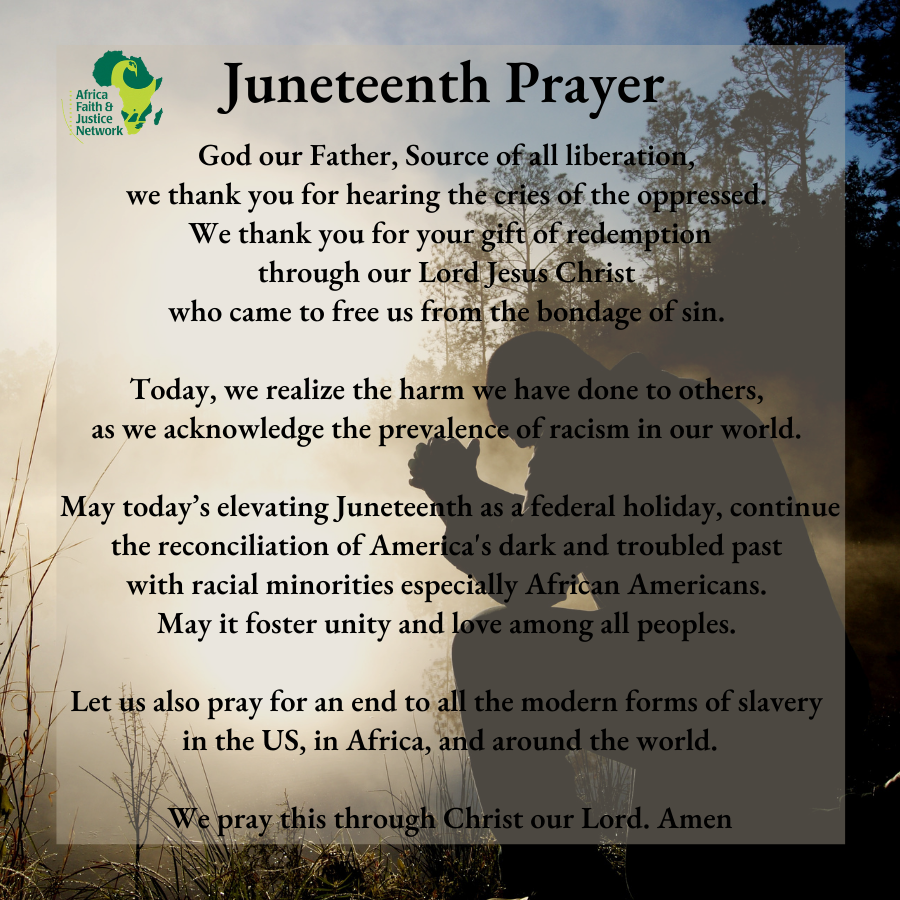
Juneteenth 2021 – A US Federal Holiday
Today we celebrate Juneteenth, the oldest celebration of emancipation of African Americans from slavery in the United States. Beginning in Galveston Texas, it is now celebrated every year on June 19th. In 2021, President Joe Biden signed a federal law making it a federal holiday. Unfortunately slavery is still taking place in different forms: compelled service, oppression, involuntary servitude, debt bondage, forced labor, and human trafficking.
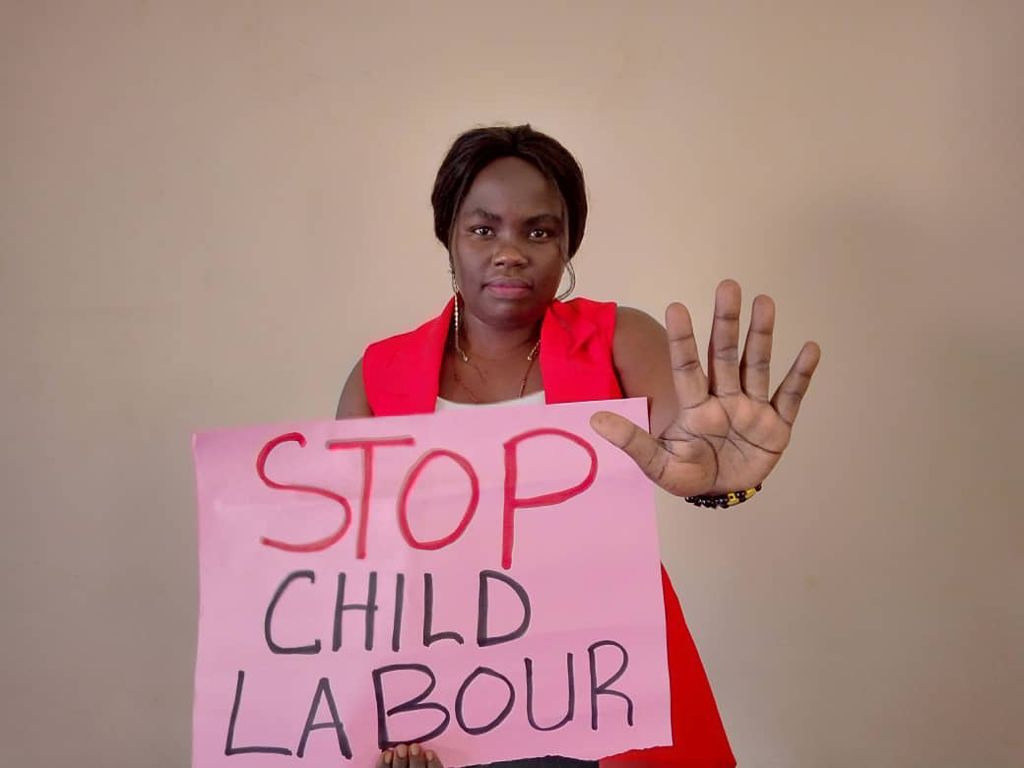
World Day Against Child Labor – 12 June
The Africa Faith and Justice Network has been advocating for an end to child labour for years. We talk about fair labor practices and justice within our educational, advocacy, and empowerment workshops. Rooted in Catholic Social Teaching, we highlight the inherent dignity of every human being, no matter what age.

Ecumenical Advocacy Days Conference 04/10-04/21- Imagine! God’s Earth and People Restored
The Ecumenical Advocacy Days are back virtually in 2021 advocating for Climate Justice! This years is Imagine! God’s Earth and People Restored. EAD 2021 is an opportunity to support this global movement centered on and led by the people and communities most vulnerable to climate impacts due to historic racial and colonial inequities. Together, we will passionately advocate and reimagine a world that lives out the values of justice, equity and the beloved community.
Letter to US Senate on the Trade-Related Aspects of Intellectual Property Rights Waiver at the WTO
As an advocacy organization, we are deeply concerned about the global impact of COVID-19 especially on the African continent. Today, we are reaching out to request that you join the effort by Senators Sanders, Warren, Brown, and Baldwin urging President Biden to support the Trade-Related Aspects of Intellectual Property Rights waiver at the World Trade Organization that will enable the acceleration of the global production and distribution of COVID-19 vaccines.
AFJN Sends Letter to Senate in Support of the Establishment of the Senate Human Rights Commission
March 17, 2021 Re: Establishing the Senate Human Rights Commission Dear Majority Leader Schumer, Republican Leader McConnell,…
Appointment of a Special Envoy for Africa’s Great Lakes Region
The Africa Faith and Justice Network is one of several organization who sent a letter to The…
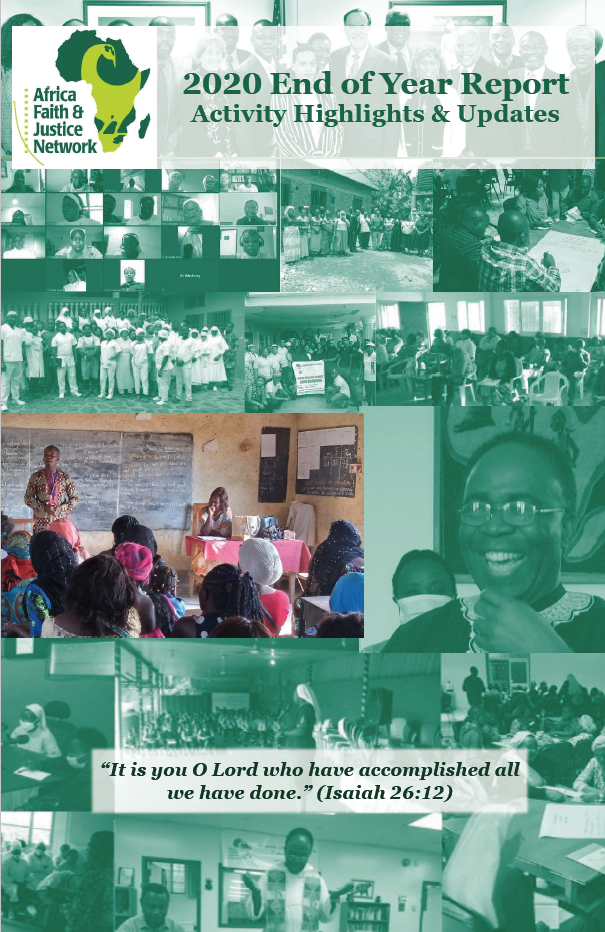
Africa Faith and Justice Network 2020 End of Year Report: Activities and Highlights
Read the End of Year Report and learn how the Africa Faith and Justice Network managed to further in our mission even amid the COVID Pandemic.
A Call To Peace in Ethiopia’s Tigray Region
By Iman Mekonen Edited by Ntama Bahati The ongoing armed conflict in Ethiopia’s Tigray region has displaced…
Covid-19 Global Response a Must – AFJN YouTube Video Premiere
Learn why there must be a Global Response to COVID-19 that includes Special Drawing Rights by watching this video.

Tell Senate to Support a Global Strategy to fight COVID-19
To prevent and stop the global economy from further collapsing, as was the case in 2008, to protect further losses of U.S. jobs, and to save lives the Africa Faith and Justice Network (AFJN) is asking the Senate to support the issuance of Special Drawing Rights (SDRs) by the International Monetary Fund (IMF). The SDRs are special bonds to member nations and SDRs do not cost the U.S. anything. We are also asking for debt relief and additional foreign aid to respond to humanitarian crises and COVID-19 related challenges.
Groups Representing Tens of Millions of Americans Applaud Passage of Amendment to Allocate Trillions in Relief to Crisis-Hit Developing Countries
The Africa Faith and Justice Network was one of several organizations calling on Congress to pass an amendment allocating trillions of additional dollars in relief to crisis-hit developing countries. Read the Press Release below:
Financial Measures to Protect Africa from Financial Instability Due to COVID-19
We urge the U.S. to support the International Monetary Fund utilize the Special Drawing Rights to stabilize the African economy. It is in U.S. interest to stop COVID-19 abroad to prevent it from coming back to any of our communities once we reopen our borders. By protecting the health of others, we consequently protect our own health, security, and economy.
CALAR – A Declaration: Africa Remember Who You Are
The Coalition for Africa’s Liberation and Restoration (CALAR) is a collaborative initiative of numerous groups on the…
Africa advocates head to Congress re Congo atrocities
KPFA Radio Africa advocates head to Congress re Congo atrocities, Bahati Jacques explains the objectives of the…
Educate and Advocate: 2010 Conference follow-up!
Last weekend, AFJN hosted its 2010 annual meeting and conference, entitled “Justice in Africa: On Whose Terms” featuring Fr. Peter Henriot, S.J. as a keynote. Nearly 150 individuals – missionaries, students, activists, scholars, and more – from across the U.S. and from several African nations, all gathered in Rosslyn, VA to share and learn from one another.
World Food Day: A Time to Listen
October 16 is World Food Day at the UN, and this year focus is how to achieve food security in times of crisis. This is a timely topic on the heels of last year’s food price crisis, the recent financial crisis, and the ongoing and accelerating climate crisis – this year, the global financial crisis has pushed over 1 billion people into hunger, according to the UN Food and Agriculture Organization’s latest annual report. Africa in particular feels the pangs of such a global crisis, where around 30 percent of the total population is estimated to be suffering from chronic hunger and malnutrition.
Impact of Small Arms Proliferation on Africa
The persistence and the complication of wars in Africa are partially due to small arms proliferation. The consequences of small arms on African people due to international conflicts within Africa, rebel group activities, mercenary groups, and armed gang activities have yet to be fully measured. The International Action Network on Small Arms, Saferworld, and Oxfam International put it in perspective when they reported that armed conflict cost Africa $18 billion each year and about US$300 billion between 1990-2005.
How Do Your Representatives Vote on African Issues?
One of the most important parts of advocacy work is having the capability and confidence to communicate…